Khajuraho Temples: A First-Timer's Guide to India's UNESCO Heritage Wonder
Khajuraho is one of those places that outgrows every photograph taken of it. The temples are smaller than you expect, the carving is denser than you expect, and the setting - a quiet town in the Bundelkhand countryside - is far calmer than a UNESCO World Heritage Site usually is. Here's what to know before your first visit.
A Quick History
Between the 10th and 12th centuries, the Chandela dynasty built an estimated 85 temples at Khajuraho, then their cultural capital. Only around 25 survive, spread across the Western, Eastern, and Southern groups. What's left today was rediscovered by a British engineer in the 1830s, hidden for centuries by the same jungle that once surrounded the abandoned capital. UNESCO inscribed the site as a World Heritage Site in 1986.
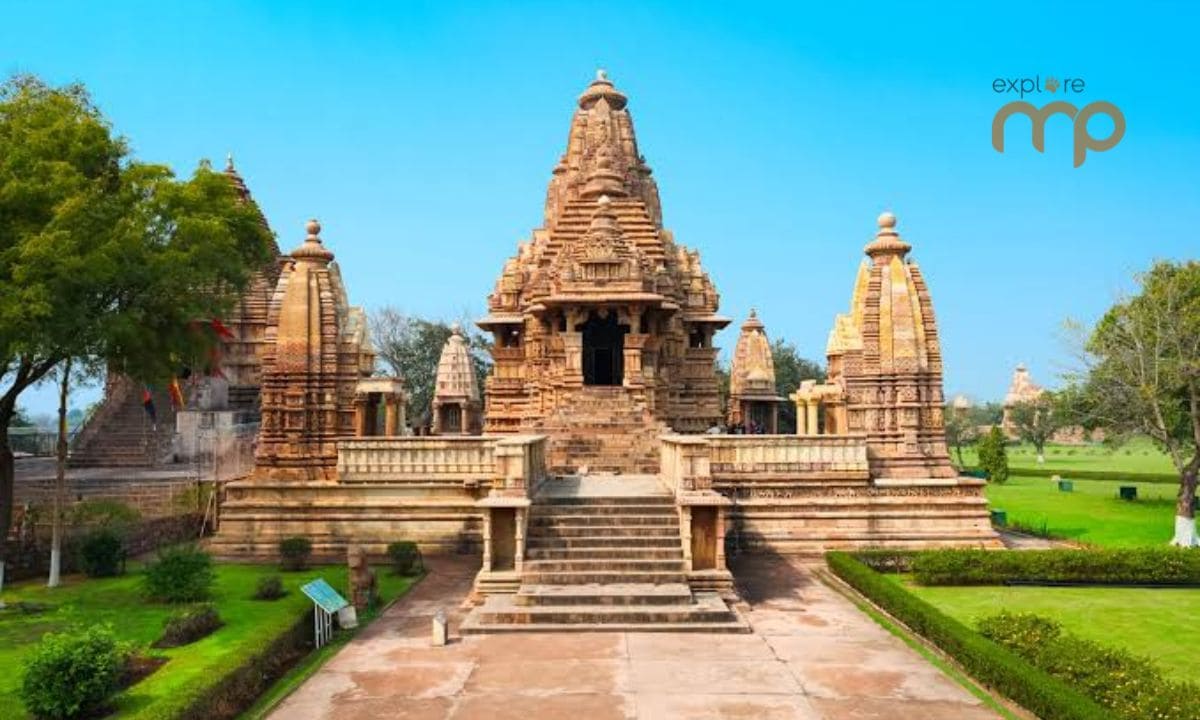
The temples are built almost entirely in the Nagara style of North Indian temple architecture - tall curvilinear towers (shikharas) rising in clusters above a sanctum, set on a raised platform and covered, inside and out, in continuous bands of sculpture.
If you only have a few hours, spend them entirely in the Western Group. It holds the largest, best-preserved, and most intricately carved temples of the three groups.
The Three Temple Groups
Western Group
This is the Khajuraho of postcards, a fenced, landscaped complex holding the majority of the famous temples. The Kandariya Mahadev Temple, dedicated to Shiva, is the largest and most elaborately carved structure at the site, its main tower rising through a cascade of 84 smaller spires. Nearby stand the Lakshmana Temple, one of the oldest and most complete in the group, and the Vishvanatha Temple, another Shiva shrine known for its guardian lion and elephant figures flanking the entrance steps.
Eastern Group
Spread across the old village and a separate Jain enclosure, the Eastern Group is quieter and less visited. The Parsvanatha Temple is the finest of the Jain temples here, admired for the precision of its carving even though it has fewer sculpted bands than the Western Group temples. A handful of small Hindu shrines, including the Brahma and Vamana temples, sit closer to the town itself.
Southern Group
The smallest and most scattered of the three, a short drive from the town centre. The Duladeo Temple, the last major temple built at Khajuraho, and the Chaturbhuja Temple, notable for a striking image of Vishnu, are the main stops here. Both see a fraction of the footfall of the Western Group, which makes them a good choice if you want the carvings without the crowds.
"Every surface is telling a story - gods, musicians, elephants, lovers, warriors - carved by hands that clearly never once got bored of stone."
What the Carvings Actually Show
Khajuraho's reputation abroad often narrows to a single word - erotic - but that's a small slice of what's on the walls. Most of the sculpture depicts deities, celestial dancers (apsaras), musicians, mythical creatures, and scenes of everyday Chandela life: hunts, processions, and courtly gatherings. The amorous carvings, concentrated mainly on select bands of the Western Group temples, are generally read by scholars as part of a wider artistic vocabulary that placed kama, or desire, alongside dharma, artha, and moksha as one of the four legitimate goals of human life in Hindu thought - not a separate or hidden theme, but one woven into the same continuous frieze as everything else.
| Group | Character | Must-See | Crowd Level |
|---|---|---|---|
| Western | Largest, most ornate, fenced complex | Kandariya Mahadev, Lakshmana Temple | Highest |
| Eastern | Jain shrines and village temples | Parsvanatha Temple | Low |
| Southern | Scattered, furthest from town | Duladeo Temple | Lowest |
Best Time to Visit
October to March is the most comfortable window, with cool, clear mornings ideal for exploring on foot. The Khajuraho Dance Festival, held each February against the floodlit backdrop of the Western Group temples, brings classical Indian dance performances and is worth timing a trip around. Summers (April-June) are hot and best avoided for a full day of walking between temples.
How to Reach Khajuraho
Khajuraho has its own small airport with regular flights connecting to Delhi and Varanasi, the easiest way in for most travellers. The town also has its own railway station with direct and connecting trains from major cities. By road, Khajuraho is roughly 175 km from Jhansi and 285 km from Jabalpur, both well-linked by highway.
A single ticket covers the Western Group; the Eastern and Southern group temples are free to enter and unfenced. Hiring a licensed guide at the Western Group entrance is worth it - the carvings reward context far more than a solo walk-through.
Beyond the Temples
The Archaeological Museum near the Western Group entrance houses sculpture fragments and artefacts recovered from around the site, useful context before or after a temple walk. The evening sound-and-light show at the Western Group narrates the Chandela story against the illuminated temples. Panna National Park, roughly an hour away, makes a good add-on for travellers combining heritage with a short wildlife detour.
Frequently Asked Questions
Of the roughly 85 temples the Chandela dynasty is believed to have built between the 10th and 12th centuries, about 25 survive today, spread across the Western, Eastern and Southern groups.
No. Only a small fraction of the carvings, mostly on the Western Group temples, depict amorous or erotic themes. The vast majority show gods, goddesses, everyday life, musicians, animals and mythological scenes.
A full day is enough to cover the Western Group in depth plus a quick stop at the Eastern and Southern groups. Two days lets you add the sound-and-light show, the museum, and a slower pace.

Ready to plan your Khajuraho trip?
Let us handle the guides, stays, and onward travel to the rest of Madhya Pradesh.
Latest Travel Guides & Stories
Explore our latest travel guides and stories covering Madhya Pradesh's wildlife reserves, heritage circuits, pilgrimage trails and city highlights, written to help you plan a confident and memorable journey.
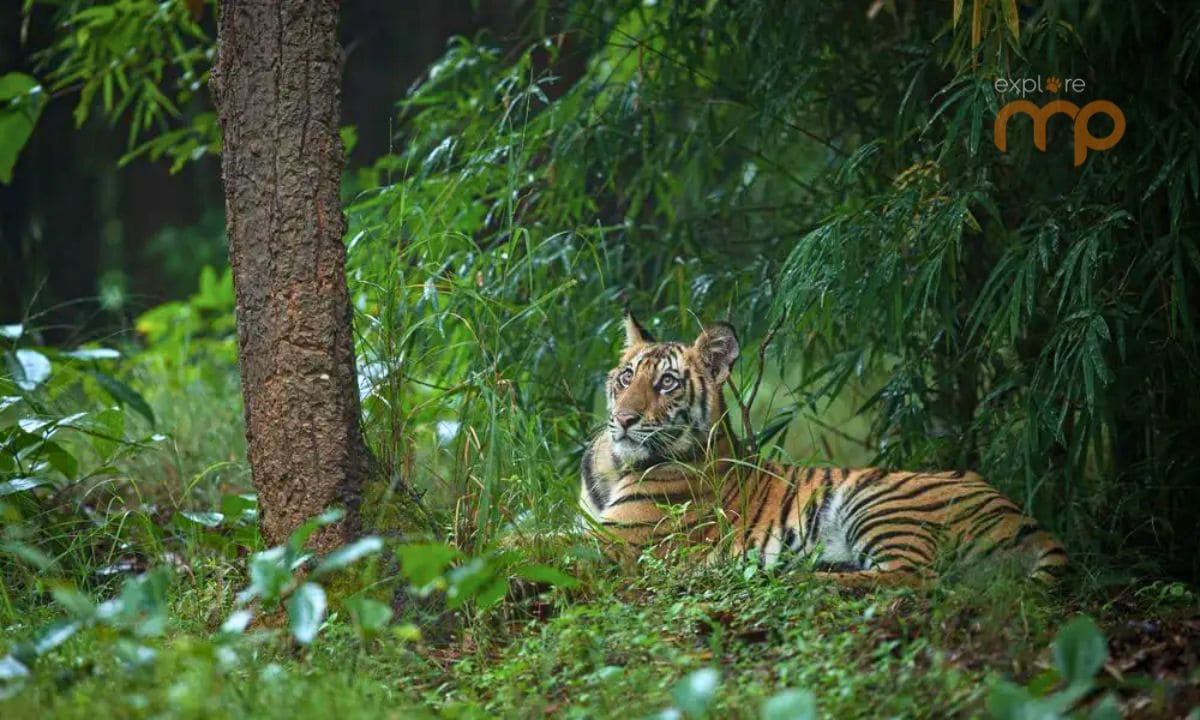
Tiger Safari in Kanha, Bandhavgarh & Pench: The Complete Guide
Best time to visit, zone-wise safari booking tips, and tiger-sighting odds across Madhya Pradesh's top three reserves, plus practical advice on permits, safari timing, and maximizing your chances.
Read Article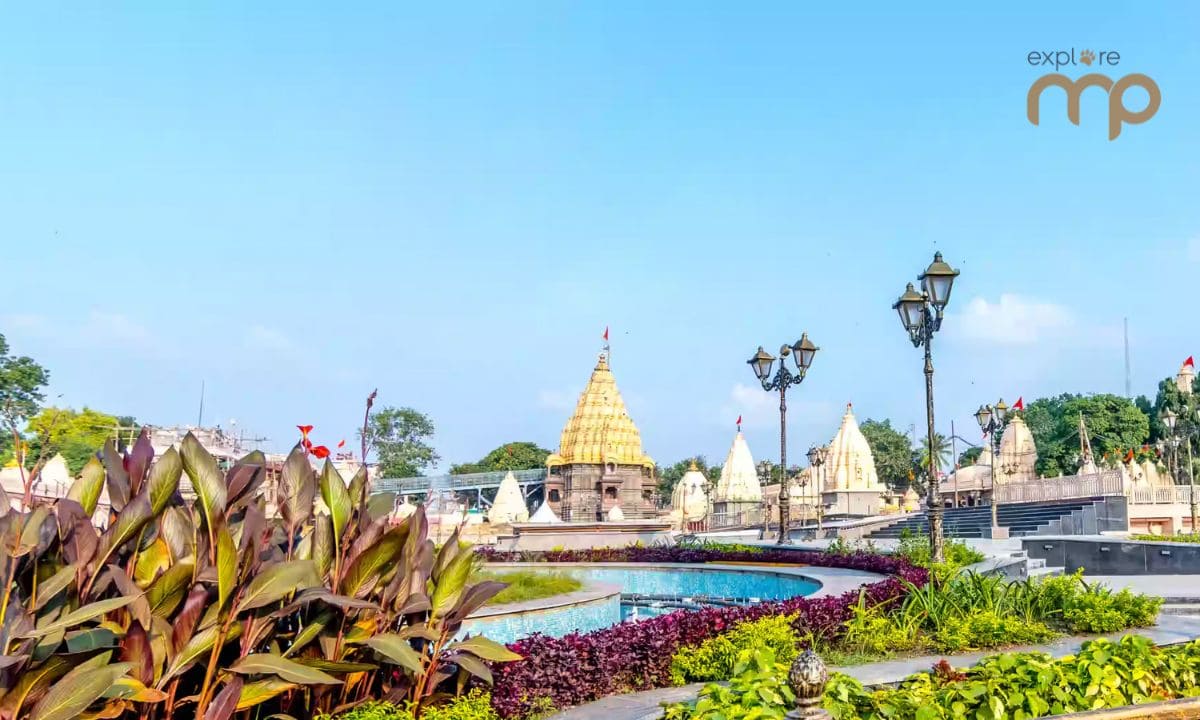
Madhya Pradesh Travel Guide: Best Places to Visit, Itineraries & Travel Tips
The four regional circuits - Bundelkhand, tiger reserves, Malwa and Central MP - and how to combine them into a single trip.
Read Article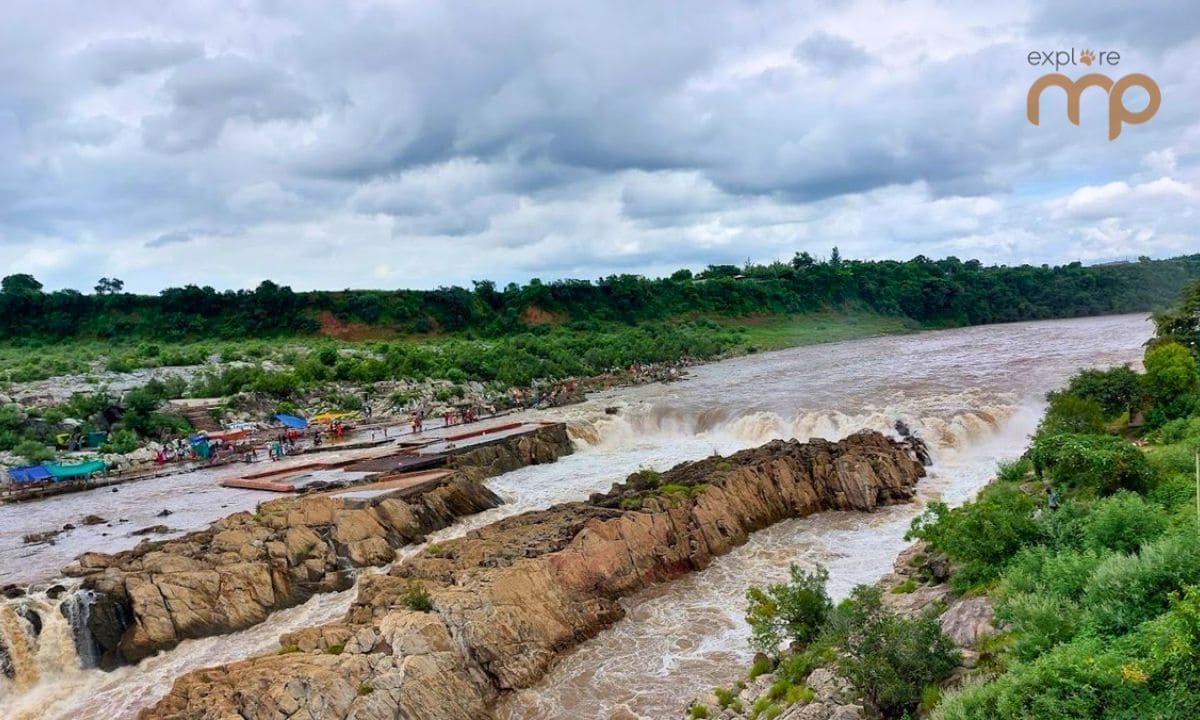
Best Places to Visit in Madhya Pradesh: 25 Must-See Destinations
25 destinations grouped by wildlife, heritage, pilgrimage, cities and offbeat stops - pick a theme and go deep.
Read Article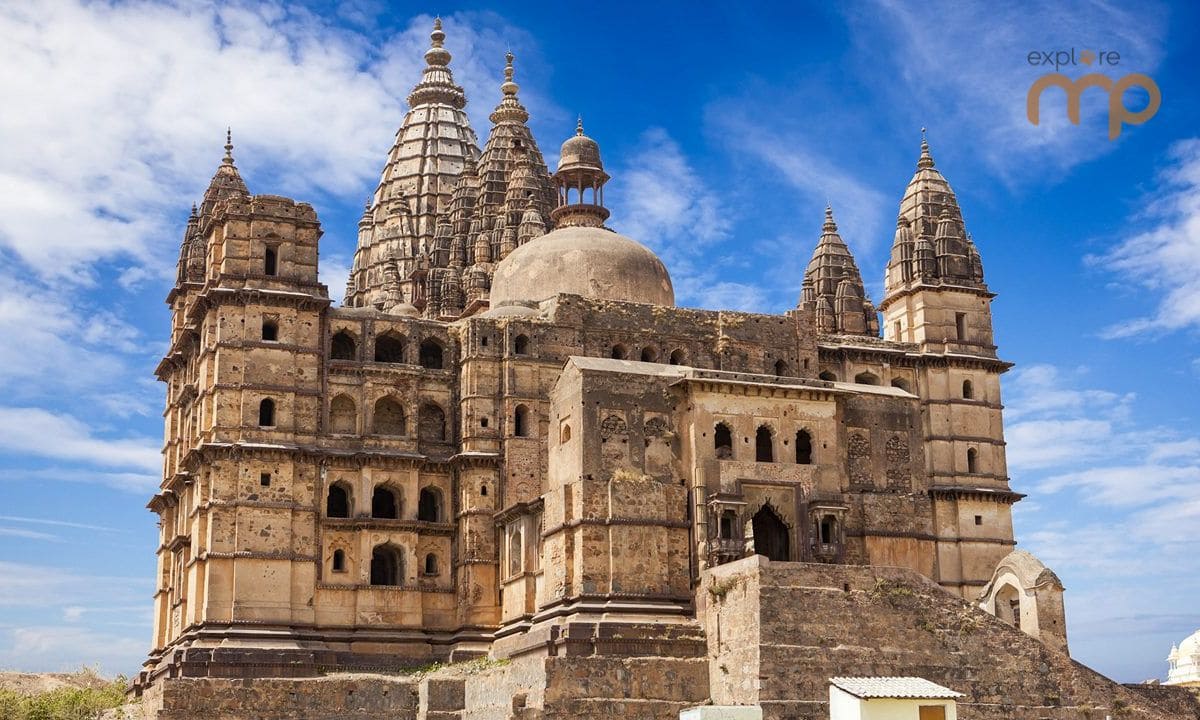
Madhya Pradesh Tourism: Complete Travel Guide for First-Time Visitors
Budgets, permits, transport, safety, accommodation and packing - the practical layer under any MP itinerary.
Read Article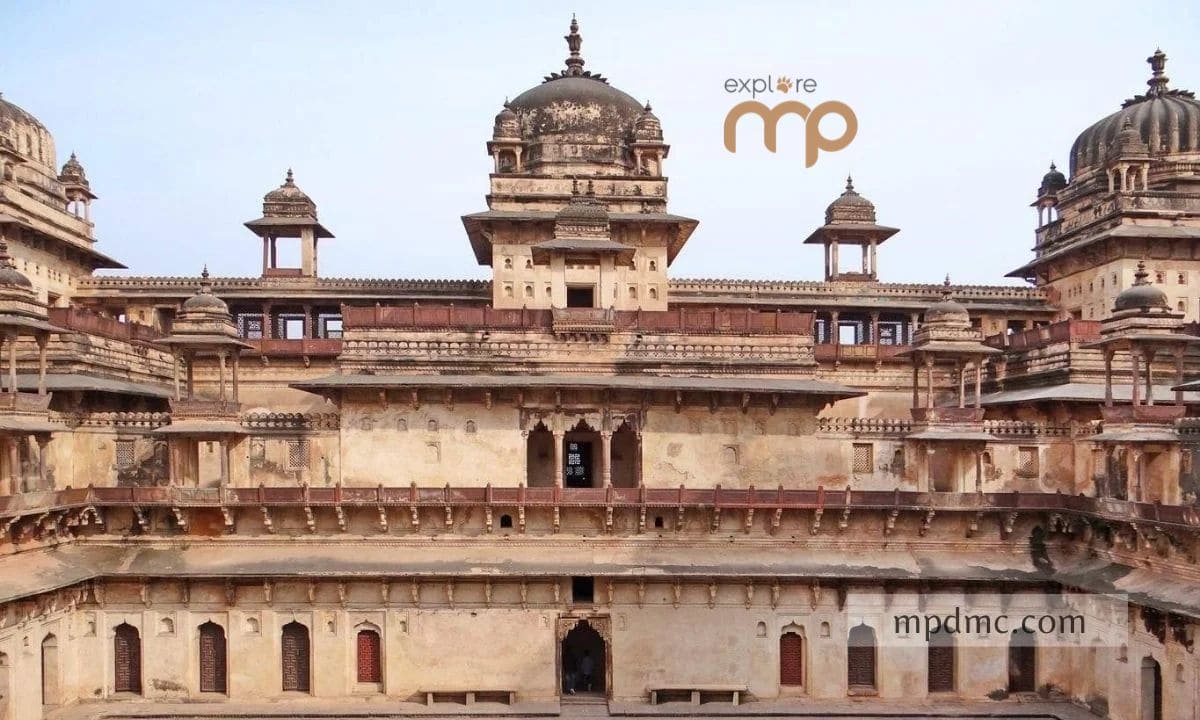
Madhya Pradesh Heritage Tour: Khajuraho, Orchha, Mandu & Gwalior
Four dynasties, four centuries - how to sequence a heritage circuit and what to look for at each stop.
Read Article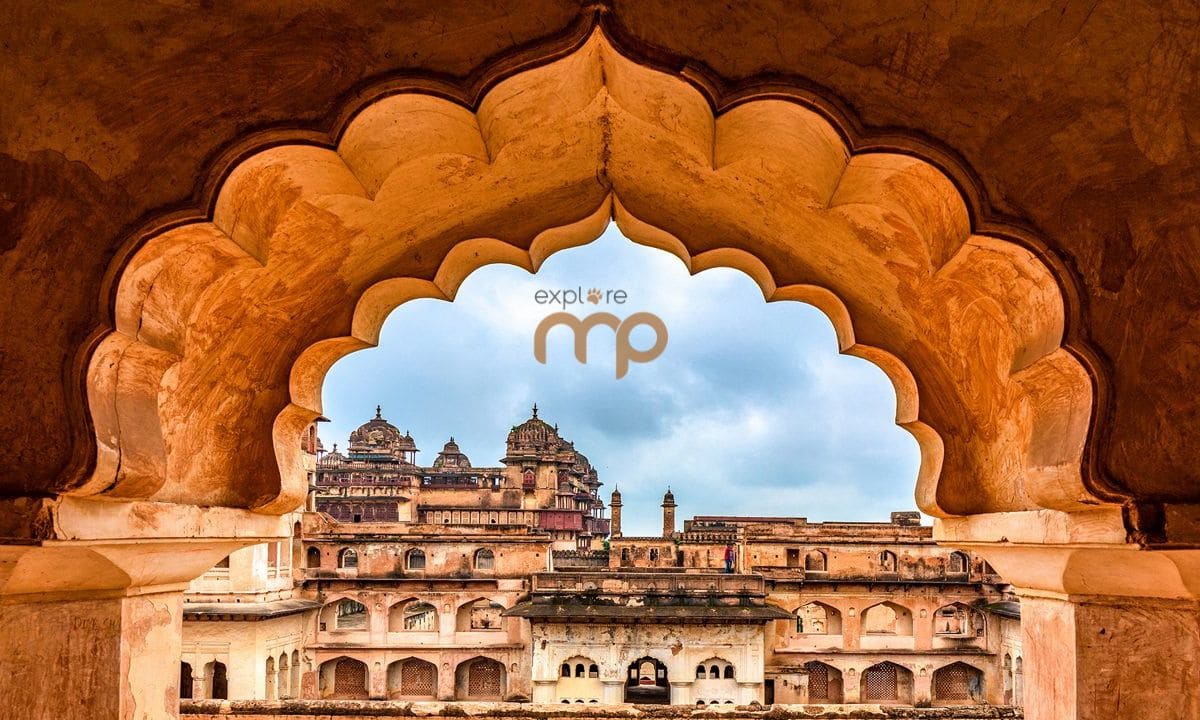
Orchha Travel Guide: Explore Madhya Pradesh's Historic Temples & Palaces
A working town built inside a heritage site - the palace complex, the Ram Raja Temple, and the riverside chhatris.
Read Article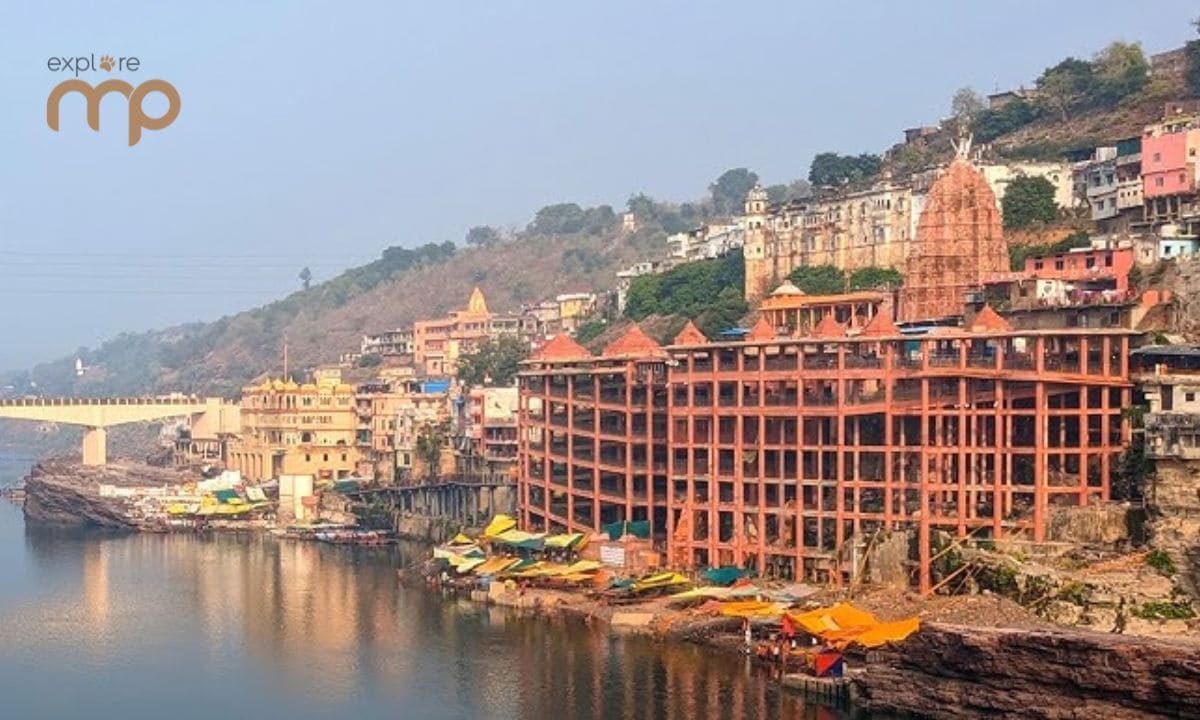
Ujjain & Omkareshwar Jyotirlinga Yatra: A Complete Pilgrimage Guide
Two of the twelve Jyotirlingas, an island temple on the Narmada, and how to plan the darshan timings around both.
Read Article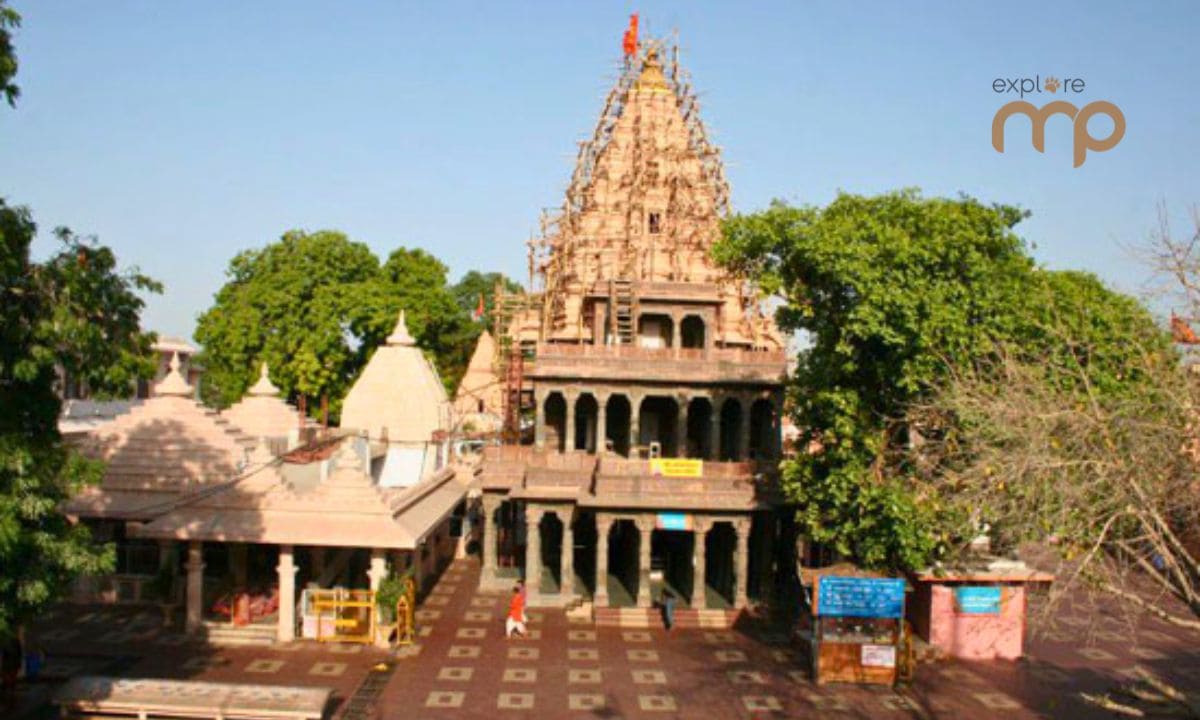
Mahakaleshwar Jyotirlinga: Darshan & Bhasma Aarti Guide
How the pre-dawn Bhasma Aarti booking works, what to expect at darshan, and how to plan around the queues.
Read Article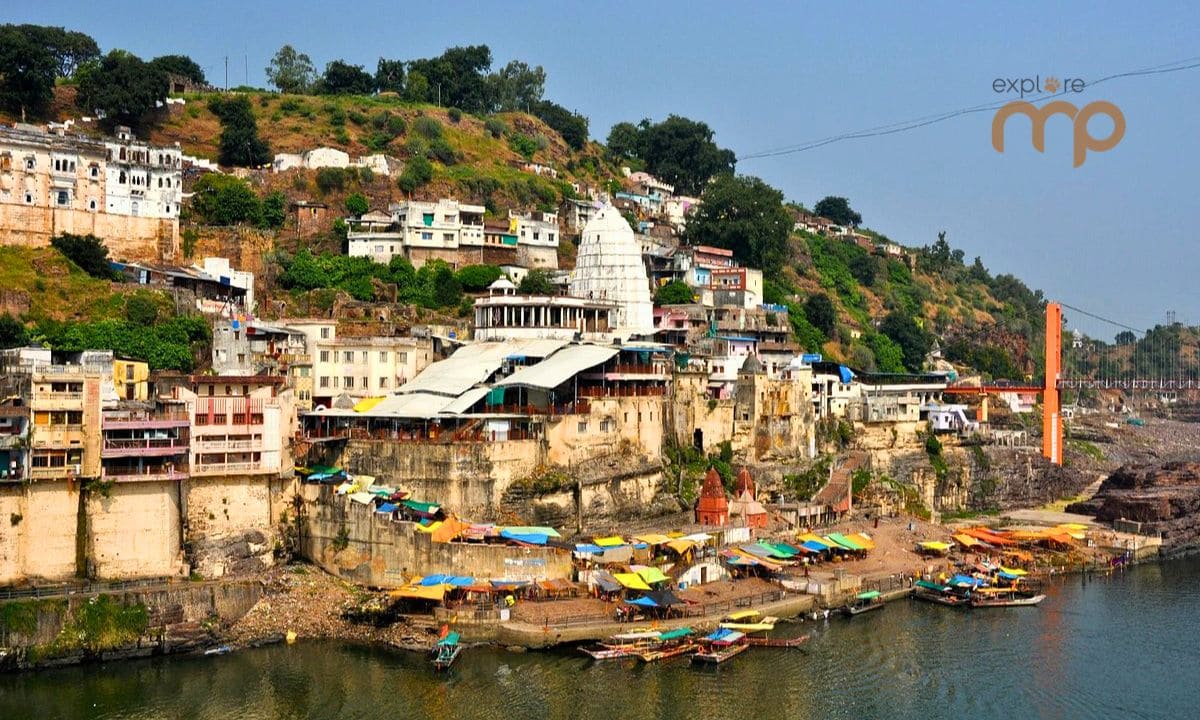
Bhopal Travel Guide: Best Places to Visit, Food, Lakes & Things to Do
The Upper and Lower Lakes, old city vs new city, what to eat, and day trips to Sanchi and Bhimbetka.
Read ArticleView all blog articles for more in-depth guides on Madhya Pradesh's wildlife reserves, heritage circuits, pilgrimage trails and city highlights, written to help you plan with confidence.