Orchha Travel Guide: Explore Madhya Pradesh's Historic Temples & Palaces
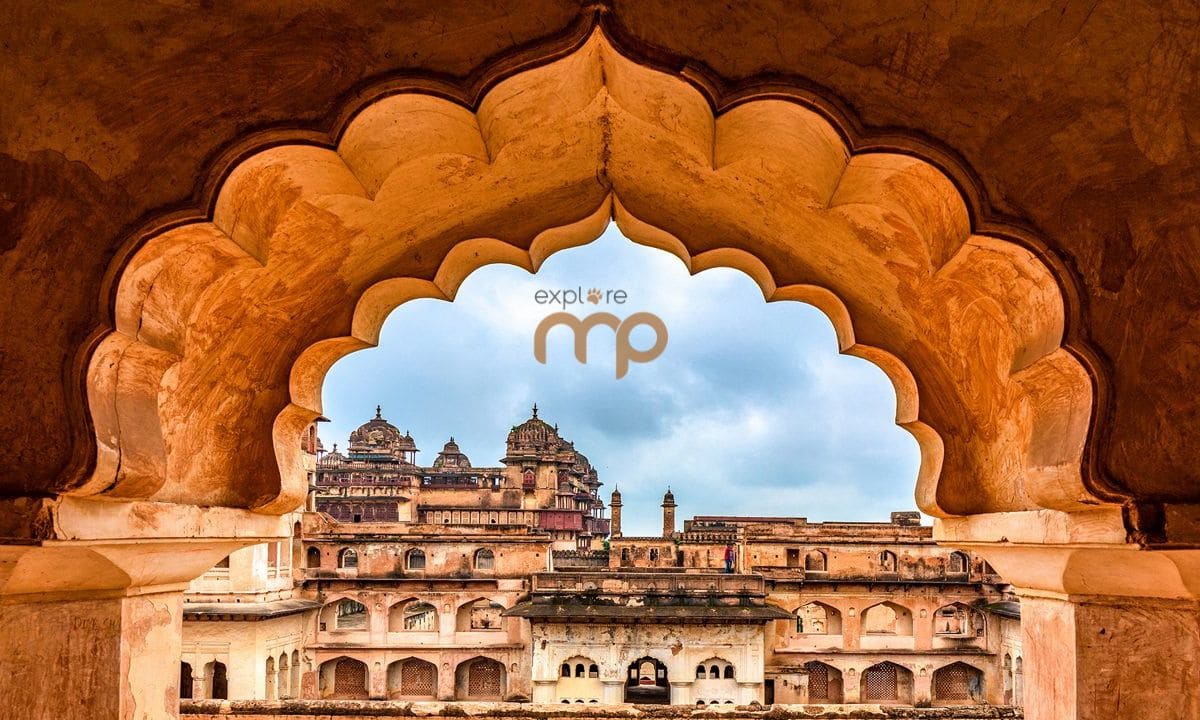
Orchha doesn't announce itself the way Khajuraho or Ujjain do. It's a small riverside town that happened to be a Bundela capital for two centuries, and it still carries that weight quietly - sandstone palaces standing over the Betwa, a temple where a king is worshipped as a god, and cenotaphs that catch the evening light better than almost anywhere in the state.
A Bundela Capital on the Betwa
Orchha was founded in 1501 by Rudra Pratap Singh, the first Bundela king, and served as the capital of the Bundela dynasty until the seat shifted to Tikamgarh in the 17th century. That relatively short but eventful reign left behind a tight cluster of palaces, temples, and cenotaphs, most of it still standing along the Betwa river and largely untouched by the kind of development that has reshaped other historic towns nearby.
Because the entire old town is walkable, Orchha rewards slow travel more than most heritage stops in Madhya Pradesh - you can cover the highlights in a day, but a second one spent without an itinerary tends to be the more memorable visit.
Time your visit to the riverside cenotaphs for late afternoon. The sandstone chhatris catch the low sun directly across the Betwa, and it's the best photograph you'll take in Orchha.
The Palace Complex
Jahangir Mahal
Built by Bir Singh Deo in the early 17th century to commemorate a visit from the Mughal emperor Jahangir, this is Orchha's best-known landmark - a fortress-palace with domed chhatris, latticed windows, and courtyard views over the town and river. It also houses a small archaeological museum.
Raja Mahal
The older of the two main palaces, built for Madhukar Shah in the 16th century, is plainer on the outside but holds faded murals inside depicting religious and courtly scenes, worth the stop for anyone interested in Bundela-era painting.
Temples of Orchha
Ram Raja Temple
The most distinctive site in Orchha and one of very few temples anywhere where Ram is worshipped as a reigning king rather than as a deity in a conventional sanctum. According to local tradition, the image was first installed in this building as a temporary measure while a proper temple was under construction, and once installed it could not be moved - so the palace itself became the shrine, complete with a daily changing-of-the-guard style ritual.
Chaturbhuj Temple
Built to house the very image that ended up at Ram Raja Temple, this soaring, largely empty sanctuary stands just across the square. Its scale and Nagara-style spire are worth climbing the interior stairs for, even without the crowds that fill Ram Raja Temple below.
Lakshmi Narayan Temple
A short walk from the main complex, this temple blends fort-like exterior walls with painted ceilings inside, some of the best-preserved murals in Orchha, depicting mythological scenes alongside 19th-century historical events.
"Every other town builds a temple for its king. Orchha built a palace for its god, and never quite decided which one it was."
| Site | Type | Why Visit |
|---|---|---|
| Jahangir Mahal | Palace | Best-preserved, river and town views |
| Ram Raja Temple | Temple | Unique king-as-deity worship, active daily rituals |
| Chhatris (Cenotaphs) | Riverside memorial | Best sunset and photography spot |
| Orchha Wildlife Sanctuary | Nature reserve | Slower-paced half day, riverside walks |
The Cenotaphs and the Betwa
Along the Betwa's bank stand fourteen chhatris, memorial cenotaphs built for Orchha's rulers, their tall spires reflected in the river when water levels allow. It's the most photographed corner of the town and also its most peaceful, especially early morning or just before sunset when the crowds thin out.
The Betwa itself is part of the draw beyond the monuments - short river-crossing walks, boat rides, and, for the more adventurous, zip-lining and rappelling operated near the river by local adventure outfits. The Orchha Wildlife Sanctuary, just outside town, adds a quieter half-day option along the riverbank for those who want a break from monument-hopping.
Best Time to Visit
October to March brings the most comfortable temperatures for walking between sites, most of which involve stairs and open courtyards with little shade. Summers (April-June) are hot enough that early morning and late afternoon visits are strongly preferable to midday ones.
How to Reach Orchha
Orchha sits about 16 km from Jhansi, which has the nearest railway station and is well connected by road and rail to Delhi, Agra, and Gwalior. The nearest airport is Gwalior, roughly 120 km away. Because Orchha lies directly on the road route between Jhansi and Khajuraho, it fits naturally into a heritage circuit alongside that trip rather than requiring a separate detour.
A combined entry ticket covers most of the palace complex and monuments; the Ram Raja Temple, being an active place of worship, is free to enter but expects modest dress and can get crowded around aarti times.
Frequently Asked Questions
It is one of the very few temples in India where Lord Ram is worshipped as a ruling king rather than a deity in a typical temple sanctum, since the image was originally installed in a palace and, according to local belief, could not be moved once consecrated there.
Yes. Orchha sits on the same road route between Jhansi and Khajuraho, so it fits naturally as a one or two day stop either on the way in or out, without adding much extra travel time.
A full day covers the main palace complex, Ram Raja Temple, and the riverside cenotaphs. A second day allows time for the Betwa river activities and the Orchha Wildlife Sanctuary at a slower pace.

Ready to plan your Orchha trip?
Let us handle the stays, guides, and onward travel to Khajuraho or Gwalior.
Latest Travel Guides & Stories
Explore our latest travel guides and stories covering Madhya Pradesh's wildlife reserves, heritage circuits, pilgrimage trails and city highlights, written to help you plan a confident and memorable journey.
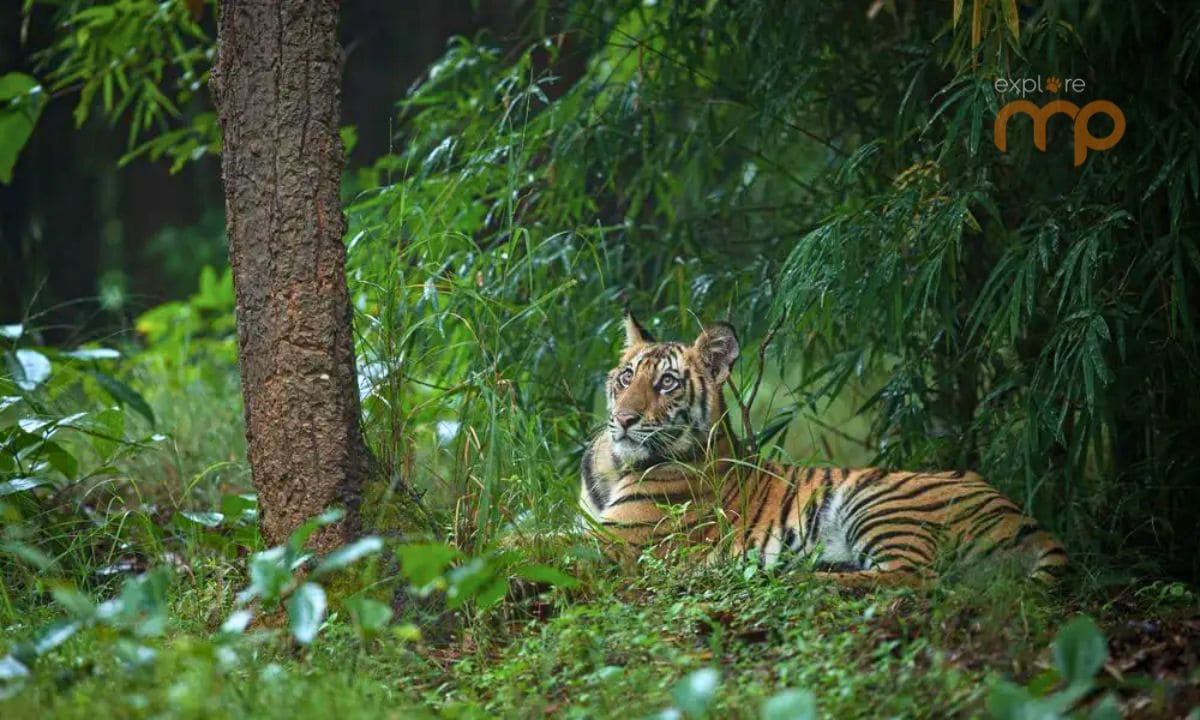
Tiger Safari in Kanha, Bandhavgarh & Pench: The Complete Guide
Best time to visit, zone-wise safari booking tips, and tiger-sighting odds across Madhya Pradesh's top three reserves, plus practical advice on permits, safari timing, and maximizing your chances.
Read Article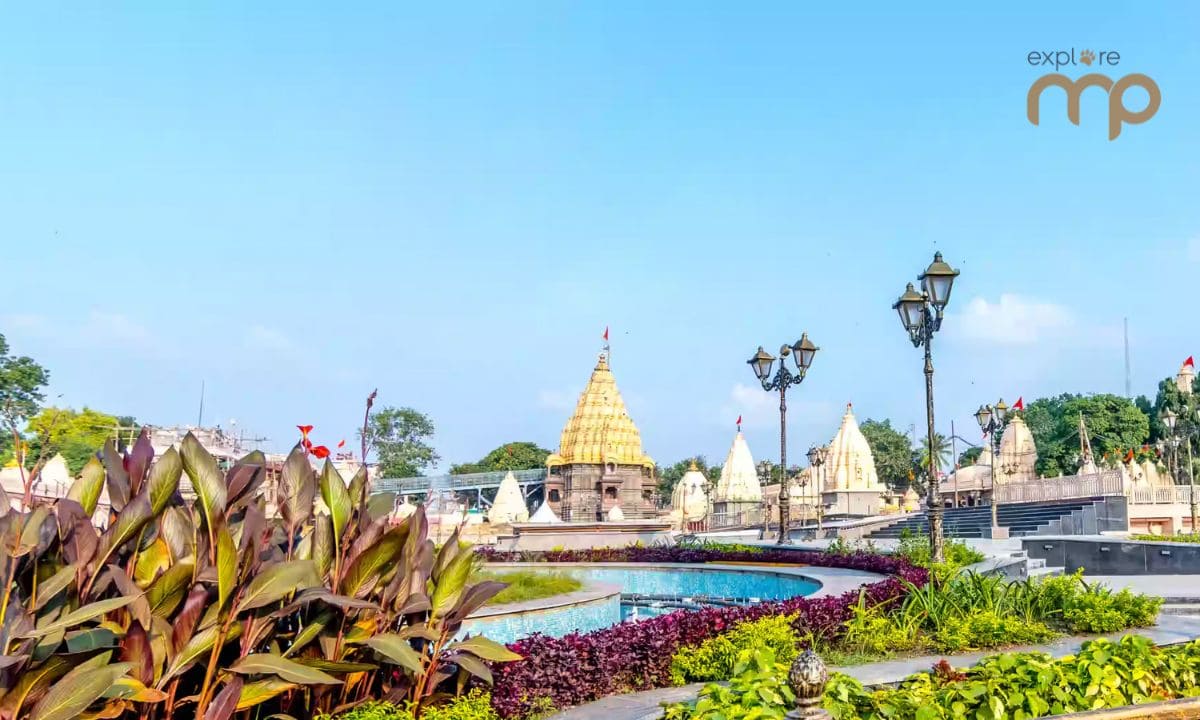
Madhya Pradesh Travel Guide: Best Places to Visit, Itineraries & Travel Tips
The four regional circuits - Bundelkhand, tiger reserves, Malwa and Central MP - and how to combine them into a single trip.
Read Article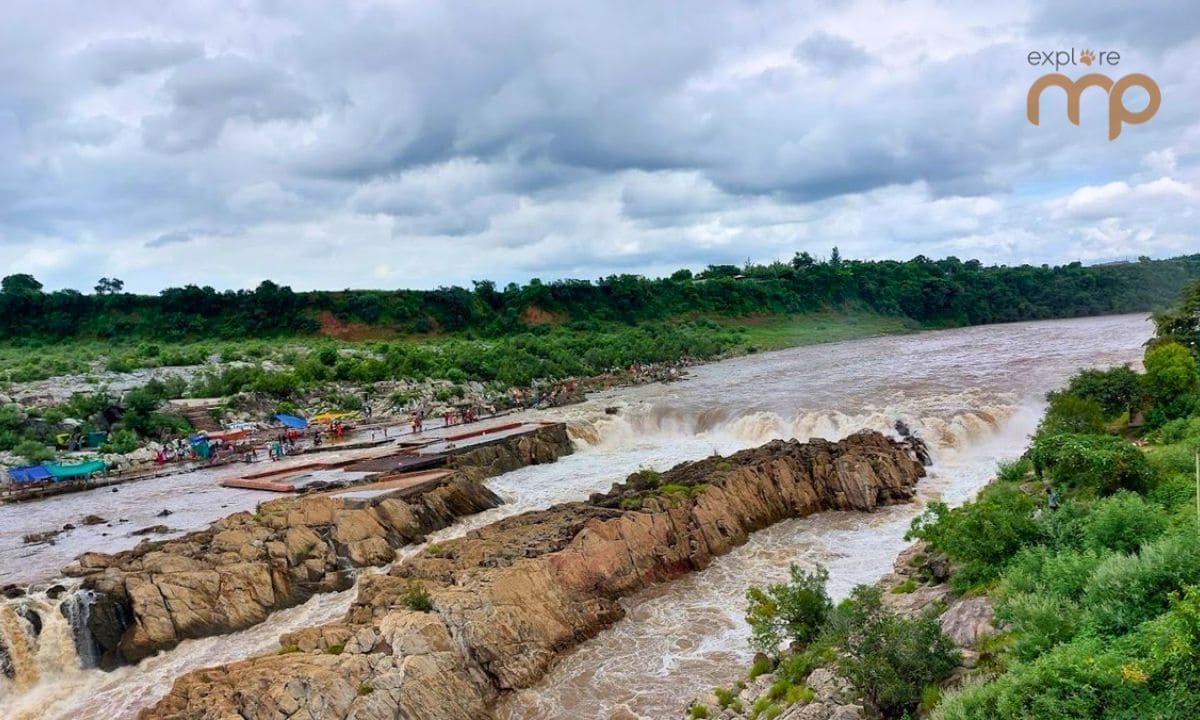
Best Places to Visit in Madhya Pradesh: 25 Must-See Destinations
25 destinations grouped by wildlife, heritage, pilgrimage, cities and offbeat stops - pick a theme and go deep.
Read Article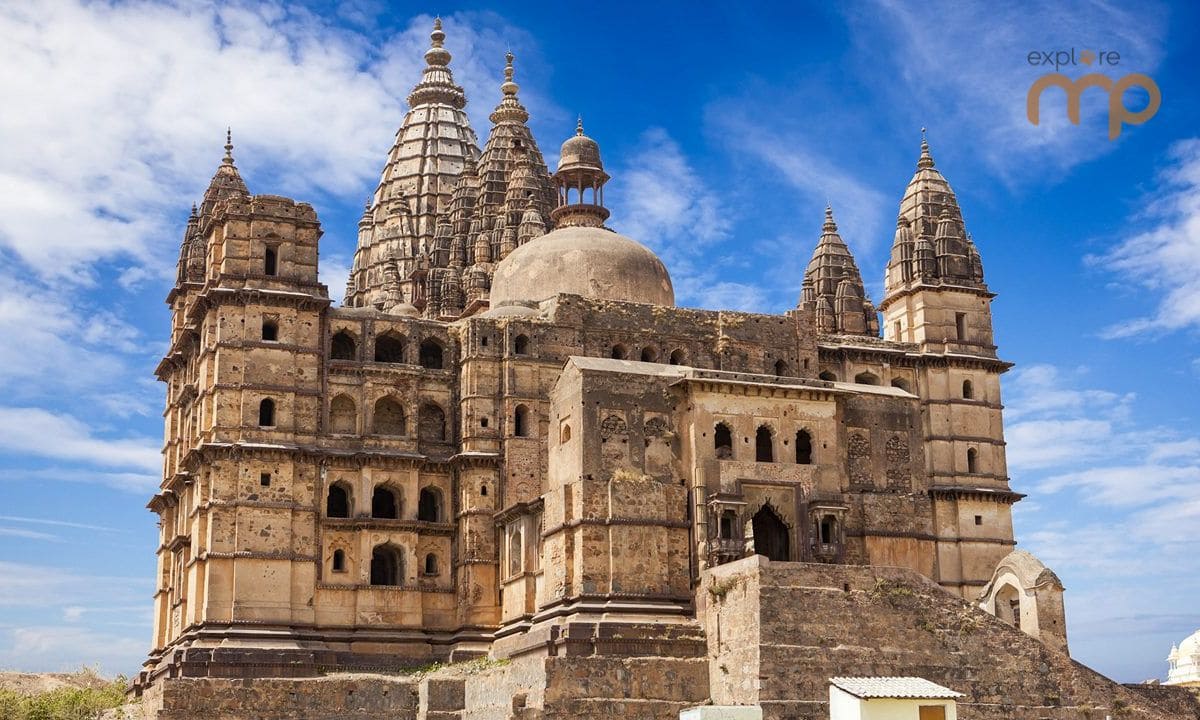
Madhya Pradesh Tourism: Complete Travel Guide for First-Time Visitors
Budgets, permits, transport, safety, accommodation and packing - the practical layer under any MP itinerary.
Read Article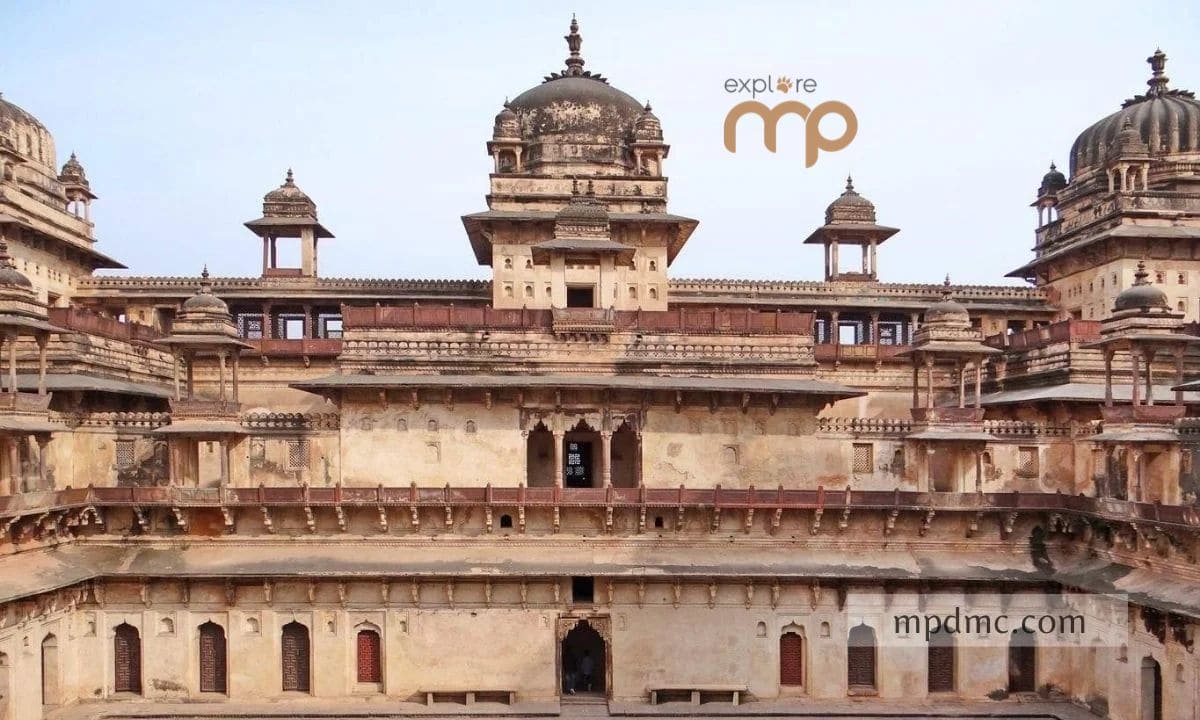
Madhya Pradesh Heritage Tour: Khajuraho, Orchha, Mandu & Gwalior
Four dynasties, four centuries - how to sequence a heritage circuit and what to look for at each stop.
Read Article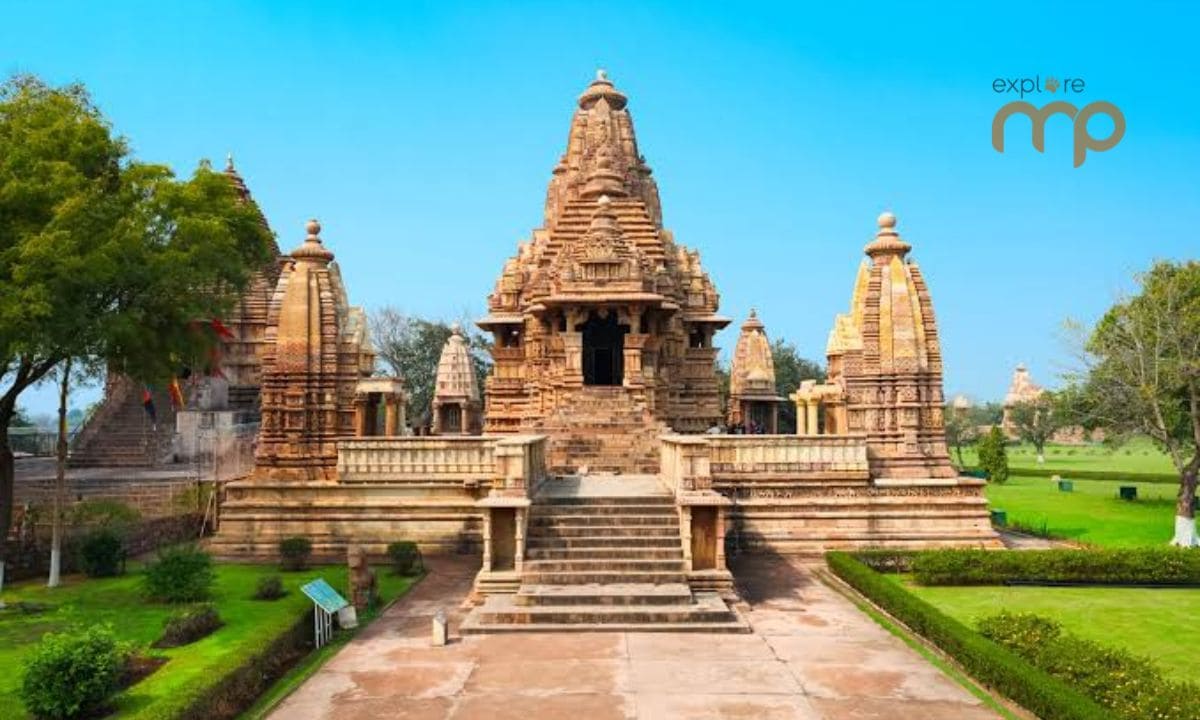
Khajuraho Temples: A First-Timer's Guide to India's UNESCO Heritage Wonder
Western, Eastern and Southern groups explained, plus when to go for the best light and the smallest crowds.
Read Article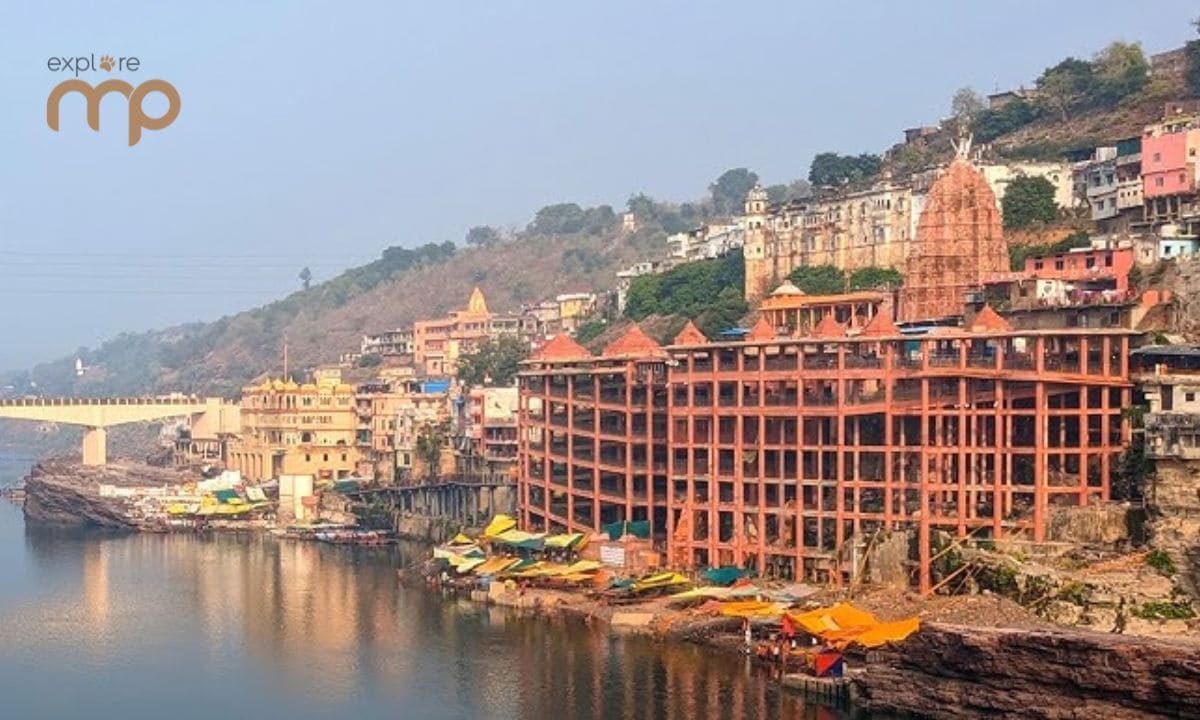
Ujjain & Omkareshwar Jyotirlinga Yatra: A Complete Pilgrimage Guide
Two of the twelve Jyotirlingas, an island temple on the Narmada, and how to plan the darshan timings around both.
Read Article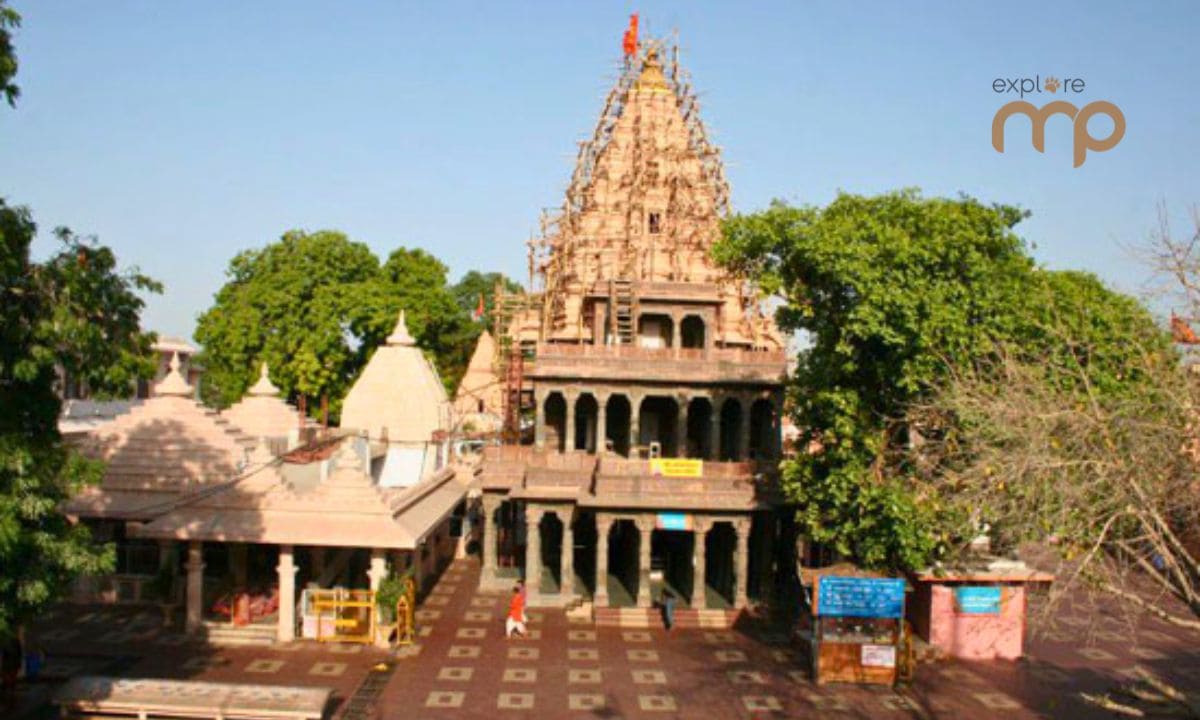
Mahakaleshwar Jyotirlinga: Darshan & Bhasma Aarti Guide
How the pre-dawn Bhasma Aarti booking works, what to expect at darshan, and how to plan around the queues.
Read Article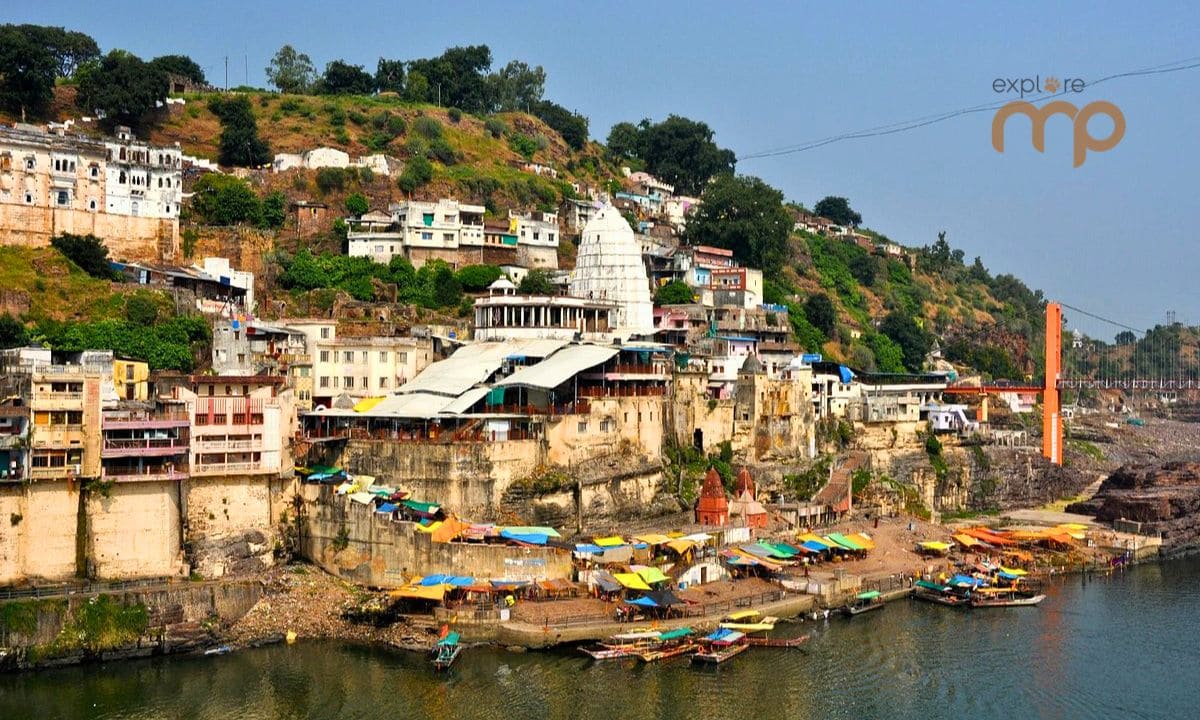
Bhopal Travel Guide: Best Places to Visit, Food, Lakes & Things to Do
The Upper and Lower Lakes, old city vs new city, what to eat, and day trips to Sanchi and Bhimbetka.
Read ArticleView all blog articles for more in-depth guides on Madhya Pradesh's wildlife reserves, heritage circuits, pilgrimage trails and city highlights, written to help you plan with confidence.