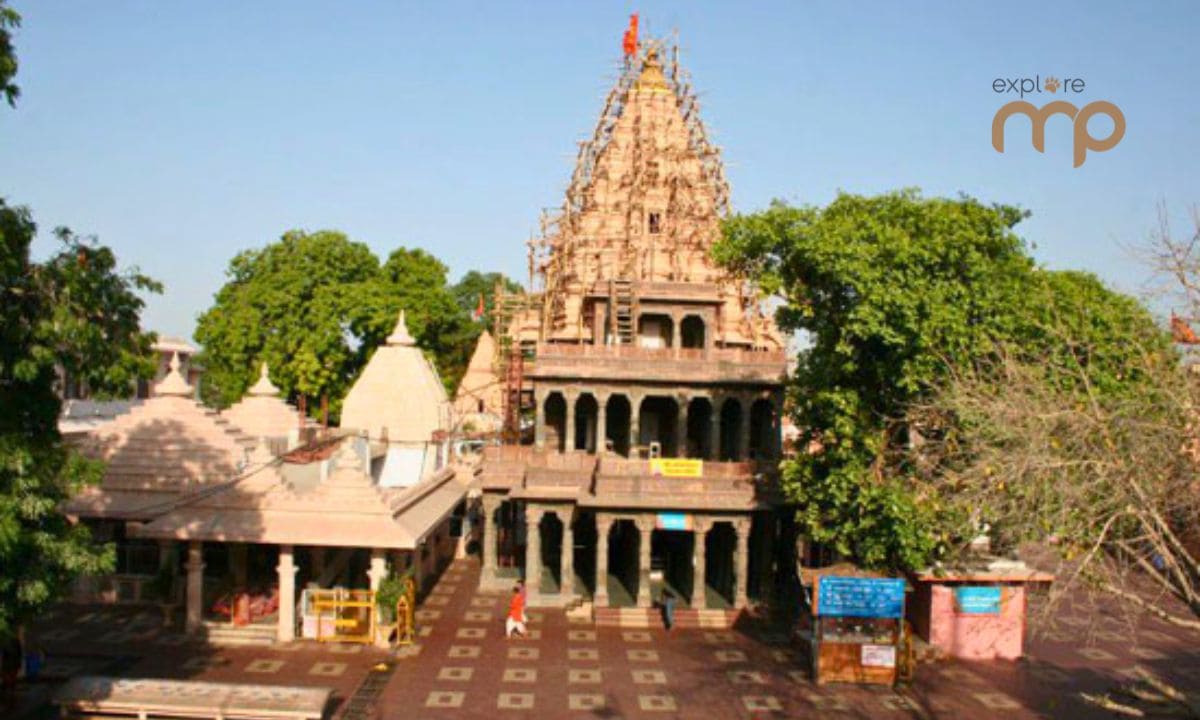
Mahakaleshwar Jyotirlinga: Darshan Timings, Bhasma Aarti & Travel Tips
Mahakaleshwar is the Jyotirlinga most people plan an entire trip around, and for good reason - the Bhasma Aarti here is unlike anything else in the Jyotirlinga circuit. This guide focuses on the practical side of a visit: what the different darshan options actually are, how the Bhasma Aarti booking process generally works, and what to expect once you're at the temple.
Ticket prices, booking windows, and slot rules at Mahakaleshwar change periodically and different websites quote different numbers. Treat every figure below as a general guide only, and always confirm current pricing, booking windows, and the official portal directly with the temple before paying for anything.
Why Mahakaleshwar Stands Apart
Mahakaleshwar Temple in Ujjain houses one of the twelve Jyotirlingas, shrines believed to be self-manifested forms of Shiva. It's considered the only one of the twelve that faces south, and it's the only Jyotirlinga where the Bhasma Aarti - a ritual performed with sacred ash - is offered as part of the daily schedule rather than on special occasions alone.
Understanding the Darshan Options
Mahakaleshwar generally offers a few tiers of darshan, and knowing the difference before you arrive saves a lot of confusion at the gate.
General (Free) Darshan
Open to all devotees without payment. You'll queue with the general crowd, and depending on the day and season, that queue can be long. This is the standard way most pilgrims experience the temple outside of the Bhasma Aarti window.
Shighra (VIP) Darshan
A paid, faster-track darshan line that reduces waiting time considerably compared to the general queue. Pricing tends to rise during Shravan month and around major festivals, so expect the fee to be higher than usual if you're visiting during those periods.
Garbh Grah Darshan
A paid option that allows devotees closer proximity to the sanctum itself, generally requiring traditional attire - a dhoti for men and a saree for women. This is usually the most exclusive of the standard (non-Bhasma-Aarti) darshan categories.
The Bhasma Aarti
The Bhasma Aarti is performed daily in the pre-dawn hours, during what's considered Brahma Muhurat - roughly around 4 AM, though devotees are generally advised to be in place well before that, since latecomers are usually not admitted once the ritual starts. The ceremony involves the application of sacred ash to the lingam, accompanied by chanting and the sound of the damru, and is widely described by those who've attended as one of the more intense temple rituals in India.
Seats are limited and demand is consistently high, so booking in advance is treated as essential rather than optional by most pilgrims and operators. Slots are generally released a fixed number of days ahead through the temple's official booking system, and can fill within minutes on Mondays, throughout Shravan month, and around Maha Shivratri.
Only book through the official Mahakaleshwar Temple website. A number of unofficial look-alike sites and third-party pages advertise Bhasma Aarti "bookings" that aren't honoured at the gate - if in doubt, book through a registered local operator instead, or call the temple's helpline to confirm the current official channel.
| Option | Cost | Best For |
|---|---|---|
| General Darshan | Free | Flexible visitors, no advance booking |
| Shighra (VIP) Darshan | Paid, varies by season | Shorter wait, tight schedules |
| Garbh Grah Darshan | Paid, higher tier | Closer sanctum access, traditional dress required |
| Bhasma Aarti | Booked in advance, limited seats | The signature pre-dawn ritual experience |
"You don't really watch the Bhasma Aarti so much as arrive early enough to be allowed to."
Dress Code & Entry Rules
Traditional attire is expected for the higher darshan tiers and for the Bhasma Aarti specifically - typically a dhoti for men and a saree (or similarly modest traditional wear) for women. Phones, cameras, leather items, and bags are commonly restricted inside the inner sanctum areas, though exact rules can shift, so it's worth checking current guidelines when you book.
Best Time to Visit
The temple can be visited year-round, but crowds swell noticeably during Shravan month (typically July-August), on Mondays, and around Maha Shivratri in February or March. If your priority is a calmer darshan rather than the festival atmosphere, aim for weekdays outside these periods; if the festival energy is part of what you're after, plan well ahead for accommodation and Bhasma Aarti slots.
Getting There & Where to Stay
Ujjain has its own railway station with good connectivity to major cities, and Indore's airport, roughly 55 km away, is the nearest major air link. The temple sits close to the old city and the Kshipra riverfront, so most mid-range and budget hotels within walking distance of the temple work well for an early-morning Bhasma Aarti visit - staying close by matters more here than almost anywhere else, given the pre-dawn reporting time.
If you can't secure a Bhasma Aarti slot, general darshan later in the day still lets you experience the temple and its atmosphere, and the evening aarti on the Kshipra at Ram Ghat is a worthwhile alternative for a memorable ritual experience in Ujjain.
Frequently Asked Questions
The Bhasma Aarti is performed daily during Brahma Muhurat, in the pre-dawn hours around 4 AM. Devotees are generally expected to reach well before that, since entry closes once the ritual begins.
Bookings should only be made through the official Mahakaleshwar Temple portal. Several unofficial sites mimic the booking process, so always verify the URL and confirm details on the temple's own site before paying.
No. Seats are limited and demand is very high, especially on Mondays, during Shravan month, and around Maha Shivratri, so slots can fill within minutes of opening. Booking early and having a backup plan for general darshan is wise.

Want help with your Bhasma Aarti booking?
We can arrange verified slots, nearby stays, and your onward travel around Ujjain.
Latest Travel Guides & Stories
Explore our latest travel guides and stories covering Madhya Pradesh's wildlife reserves, heritage circuits, pilgrimage trails and city highlights, written to help you plan a confident and memorable journey.

Tiger Safari in Kanha, Bandhavgarh & Pench: The Complete Guide
Best time to visit, zone-wise safari booking tips, and tiger-sighting odds across Madhya Pradesh's top three reserves, plus practical advice on permits, safari timing, and maximizing your chances.
Read Article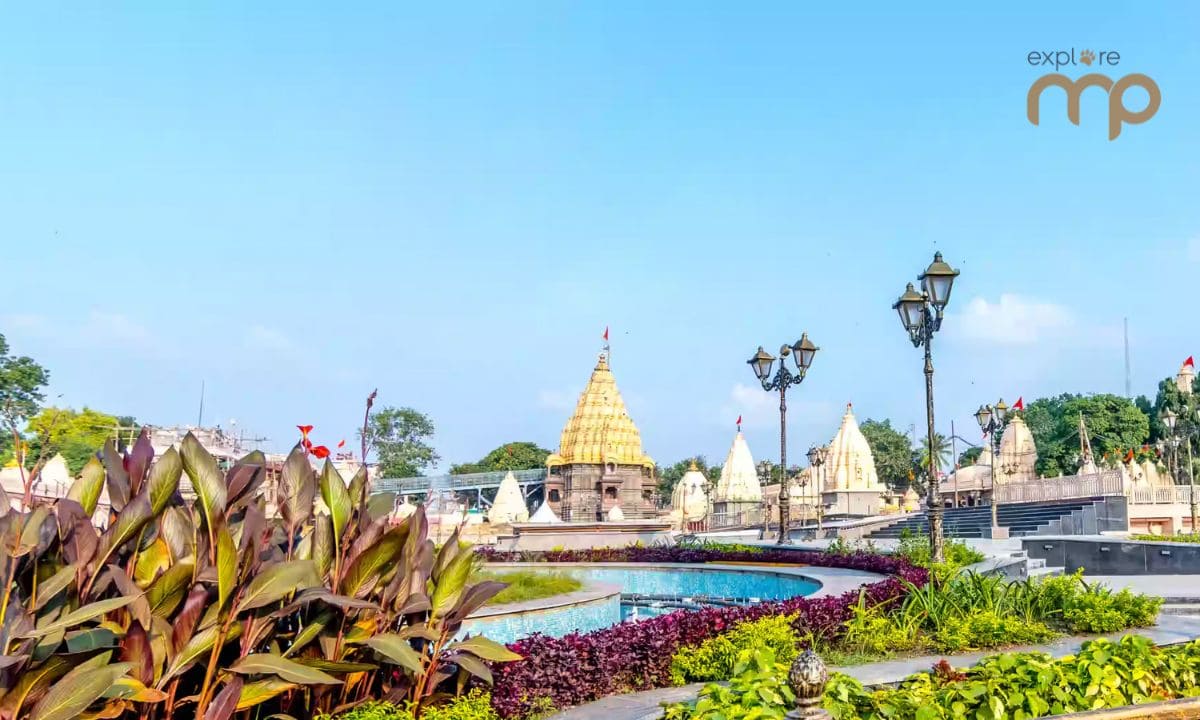
Madhya Pradesh Travel Guide: Best Places to Visit, Itineraries & Travel Tips
The four regional circuits - Bundelkhand, tiger reserves, Malwa and Central MP - and how to combine them into a single trip.
Read Article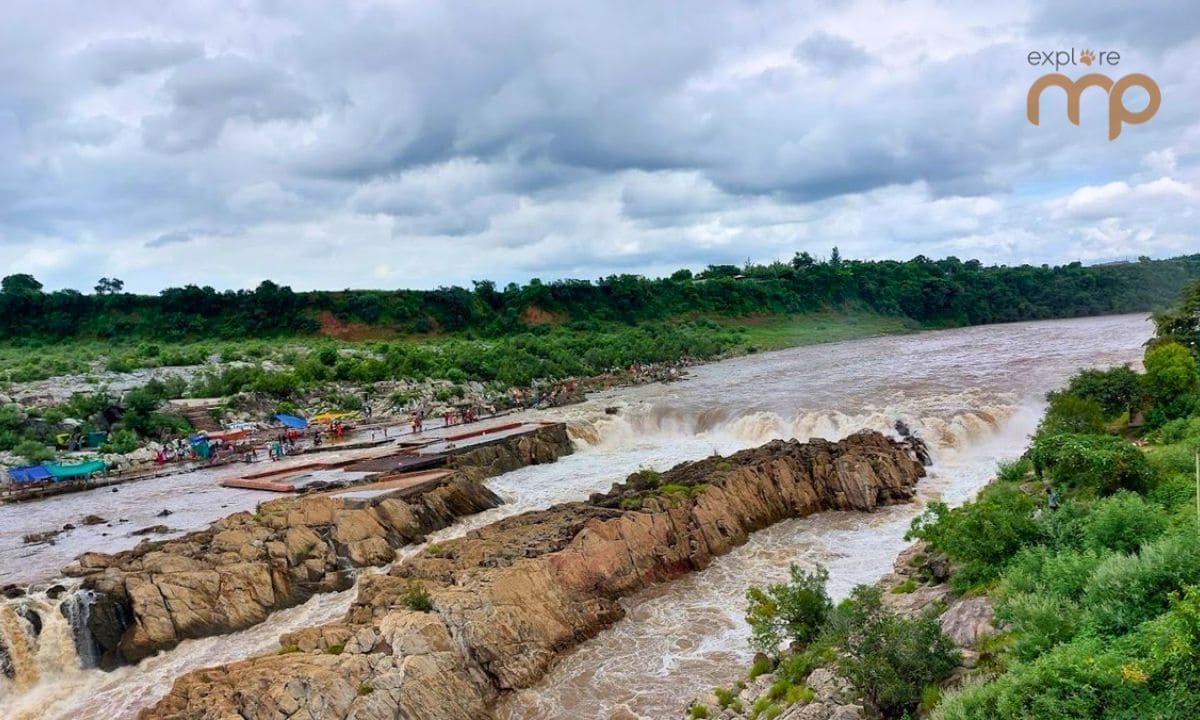
Best Places to Visit in Madhya Pradesh: 25 Must-See Destinations
25 destinations grouped by wildlife, heritage, pilgrimage, cities and offbeat stops - pick a theme and go deep.
Read Article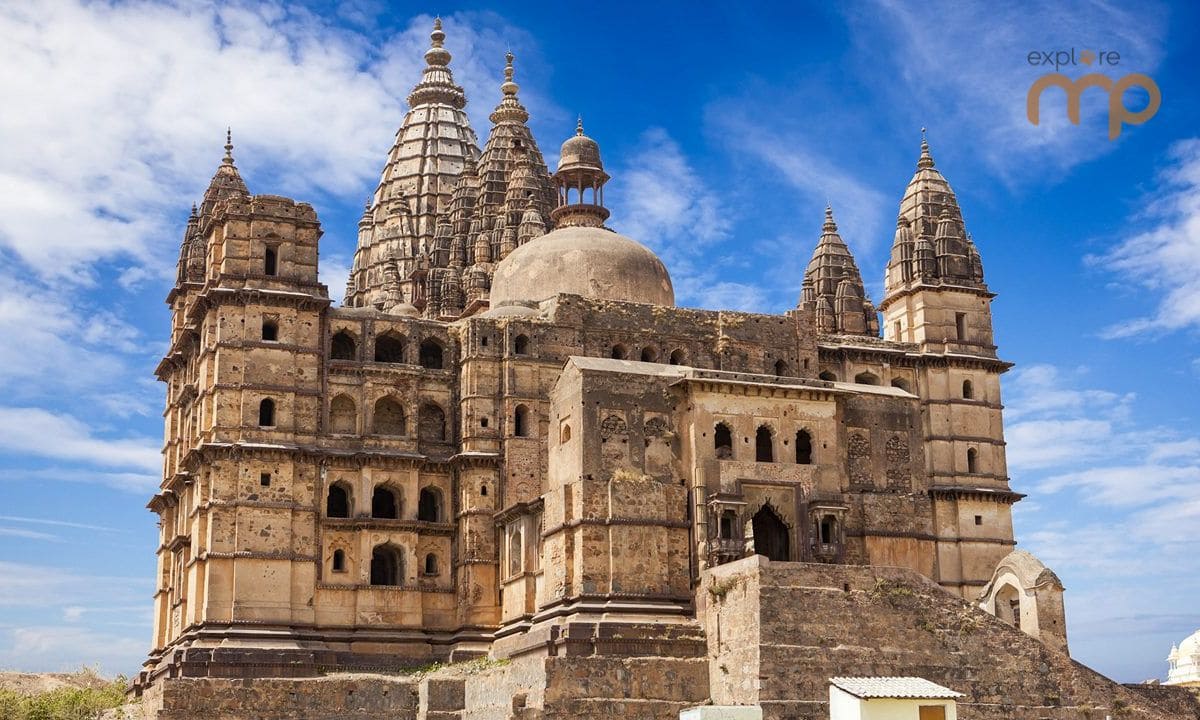
Madhya Pradesh Tourism: Complete Travel Guide for First-Time Visitors
Budgets, permits, transport, safety, accommodation and packing - the practical layer under any MP itinerary.
Read Article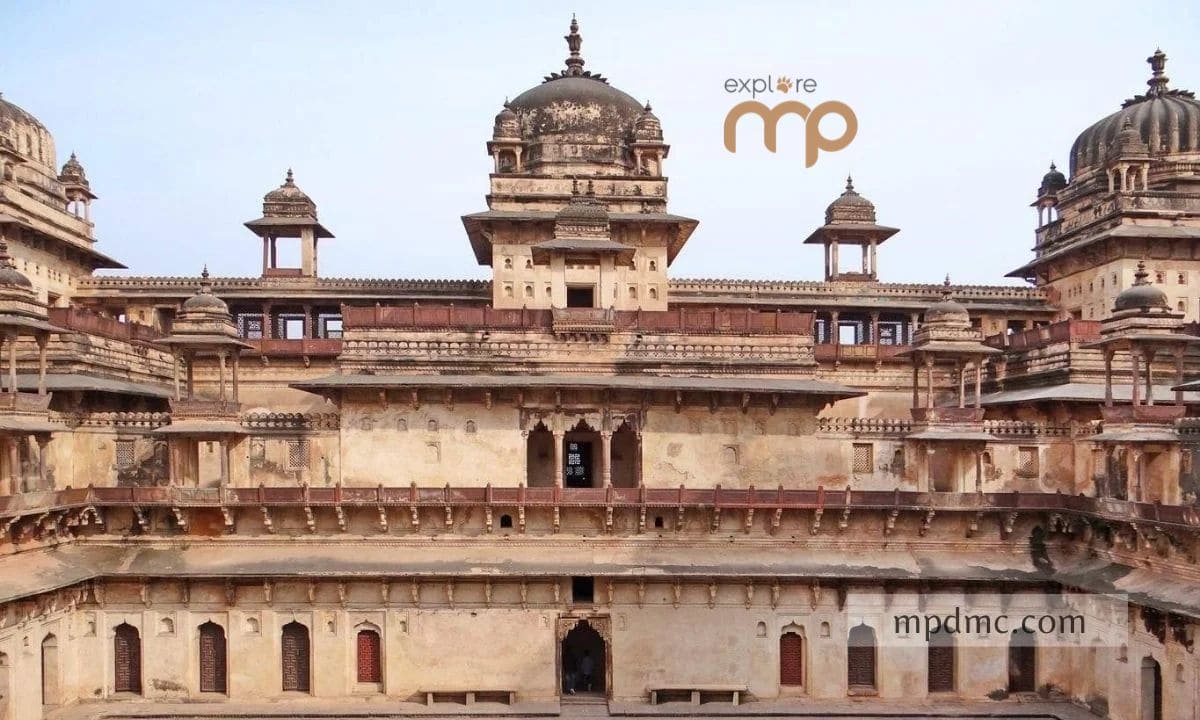
Madhya Pradesh Heritage Tour: Khajuraho, Orchha, Mandu & Gwalior
Four dynasties, four centuries - how to sequence a heritage circuit and what to look for at each stop.
Read Article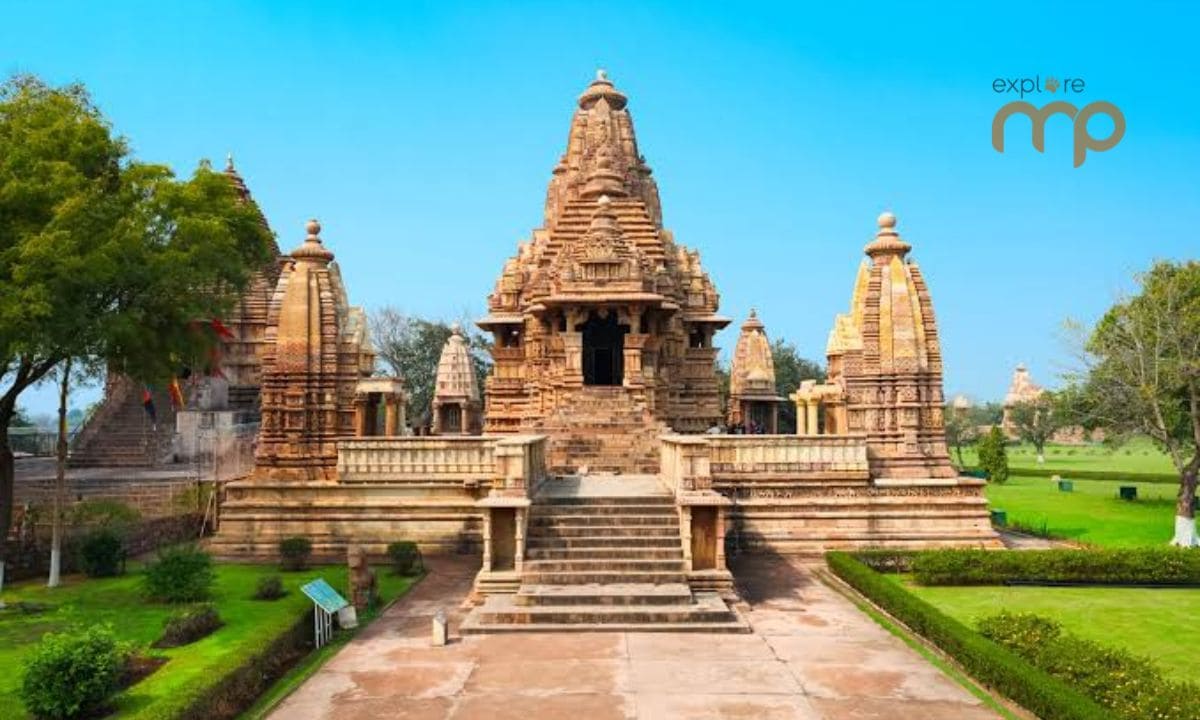
Khajuraho Temples: A First-Timer's Guide to India's UNESCO Heritage Wonder
Western, Eastern and Southern groups explained, plus when to go for the best light and the smallest crowds.
Read Article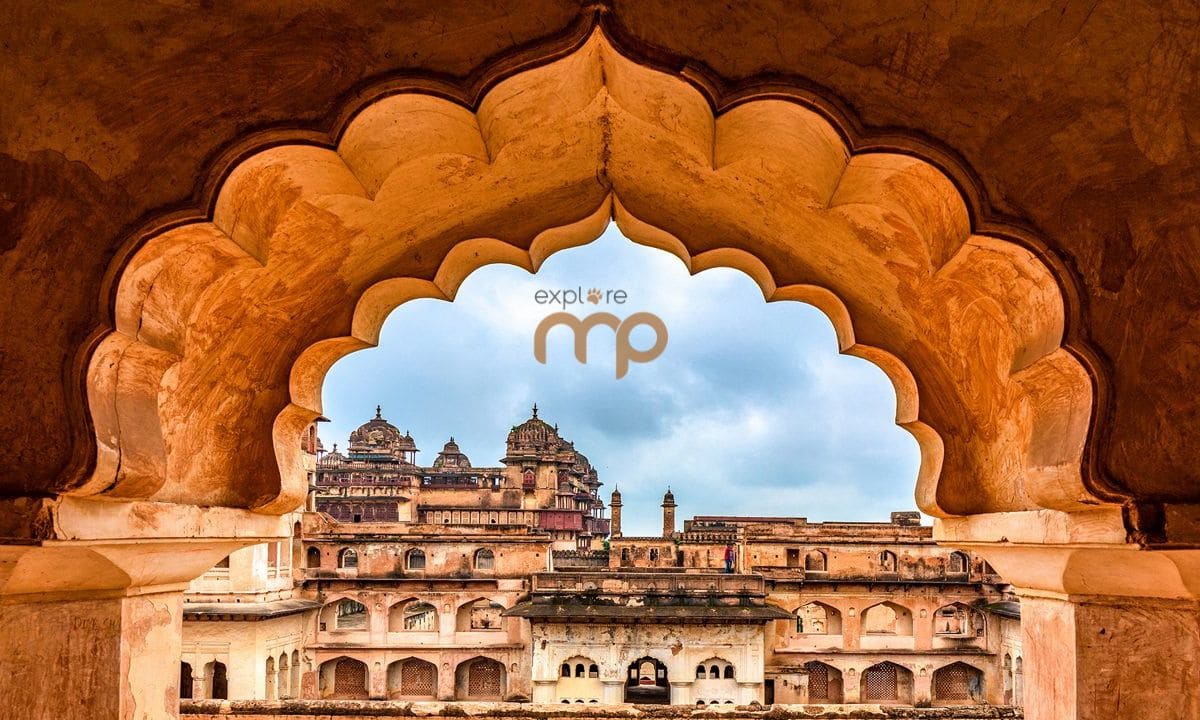
Orchha Travel Guide: Explore Madhya Pradesh's Historic Temples & Palaces
A working town built inside a heritage site - the palace complex, the Ram Raja Temple, and the riverside chhatris.
Read Article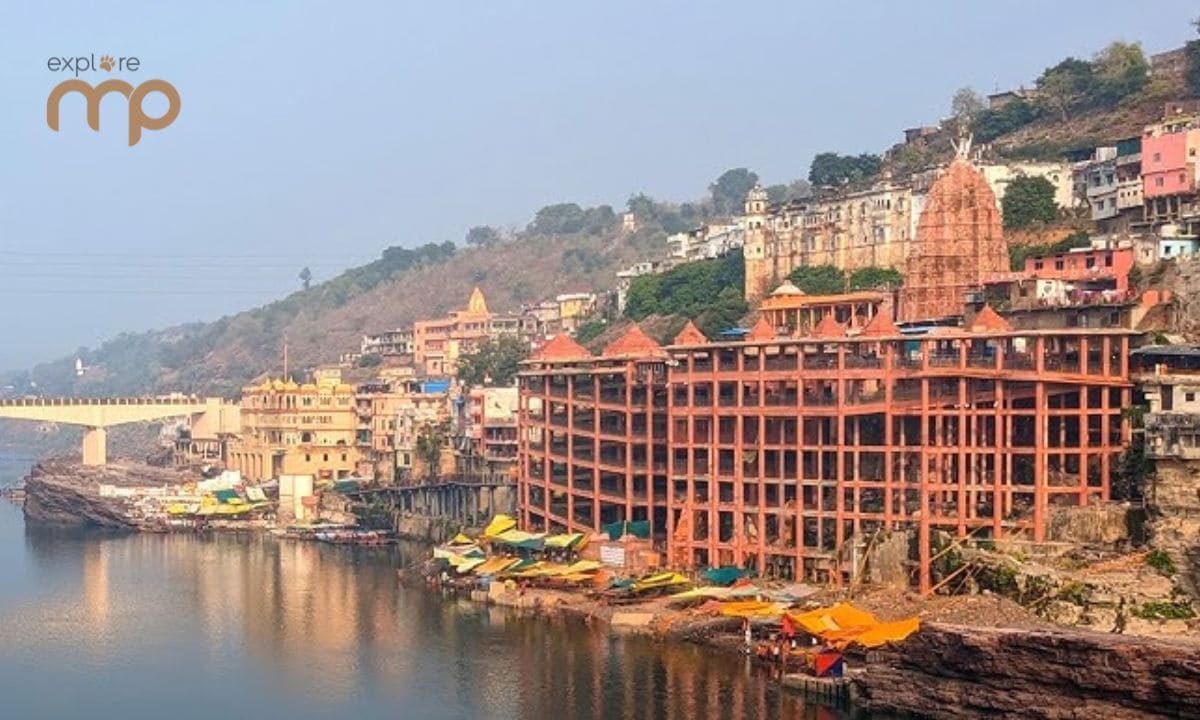
Ujjain & Omkareshwar Jyotirlinga Yatra: A Complete Pilgrimage Guide
Two of the twelve Jyotirlingas, an island temple on the Narmada, and how to plan the darshan timings around both.
Read Article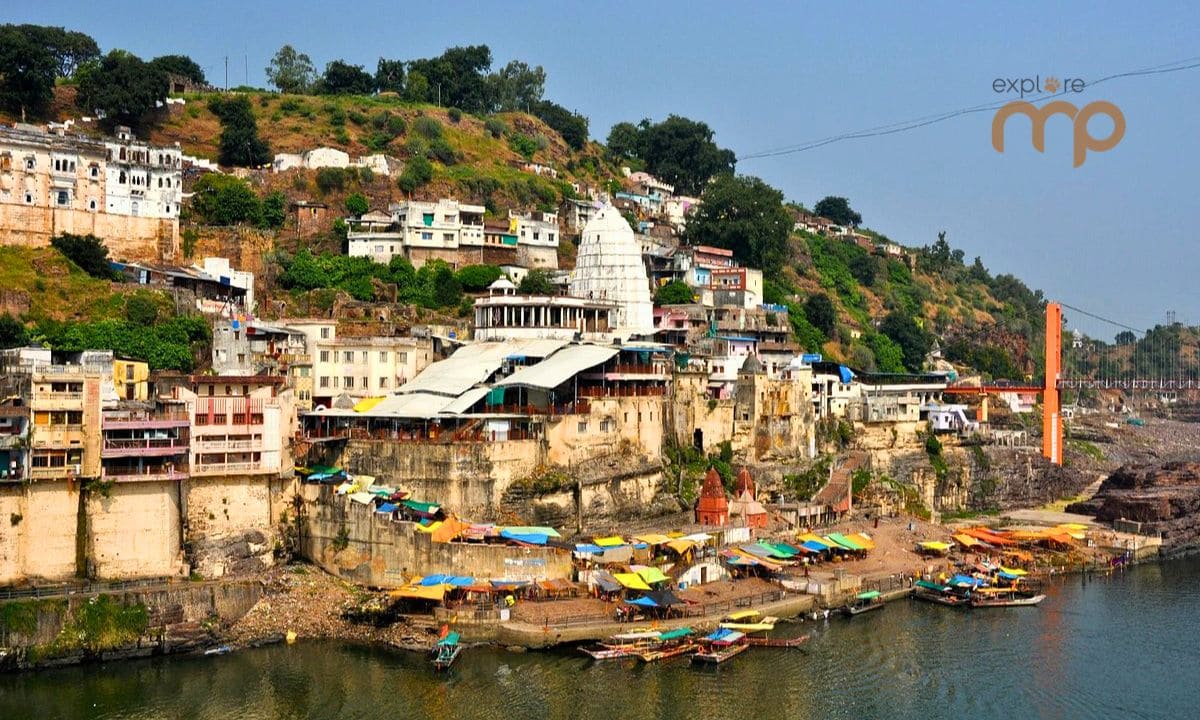
Bhopal Travel Guide: Best Places to Visit, Food, Lakes & Things to Do
The Upper and Lower Lakes, old city vs new city, what to eat, and day trips to Sanchi and Bhimbetka.
Read ArticleView all blog articles for more in-depth guides on Madhya Pradesh's wildlife reserves, heritage circuits, pilgrimage trails and city highlights, written to help you plan with confidence.