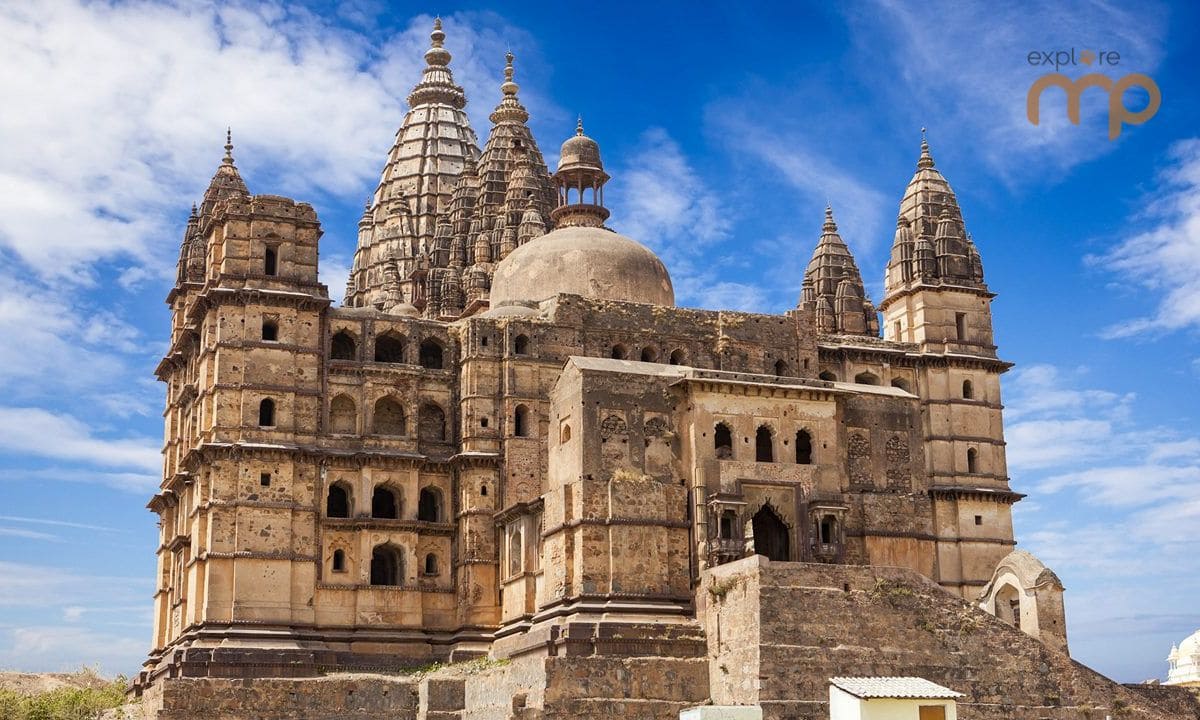
Madhya Pradesh Tourism: Complete Travel Guide for First-Time Visitors
This isn't a where-to-go guide - that's covered elsewhere on the site. This is the practical layer underneath it: what a trip actually costs, what needs booking before you land, how safe it is, where to stay, what to pack, and the mistakes that catch most first-time visitors off guard.
Before You Go
Domestic Indian travellers need no special paperwork beyond standard ID. International visitors need a valid Indian visa (e-Visa covers most tourist trips) arranged before arrival - Madhya Pradesh has no separate entry requirement of its own. Beyond that, the one thing worth locking in weeks ahead is anything quota-limited: wildlife safari permits and the Mahakaleshwar Bhasma Aarti slot in Ujjain both sell out for peak-season dates.
If a tiger reserve is anywhere in your plan, book the safari first and build the rest of the itinerary around the confirmed dates - not the other way round. Permits are the hardest booking to change once made.
What It Costs
Costs vary more by trip style than by region - a night in Khajuraho and a night near Bandhavgarh can cost similarly at the same hotel tier. The safari days are where budgets diverge most, since permit, gypsy hire, and guide fees stack on top of accommodation.
| Trip Style | Per Person / Day | Typical Stay | Notes |
|---|---|---|---|
| Budget | ₹2,000 - 3,000 | Guesthouses, budget hotels | Shared or basic safari jeeps, local transport |
| Mid-range | ₹4,000 - 7,000 | 3-star hotels, mid-tier resorts | Private car for multi-city legs |
| Luxury | ₹10,000 - 15,000+ | Heritage hotels, jungle lodges | Private safaris, dedicated guides |
Getting Around
Indore and Bhopal have the busiest airports; Gwalior, Jabalpur and Khajuraho run smaller ones useful for their own circuits. Trains connect most major towns reliably. Between smaller heritage and pilgrimage towns, public transport thins out fast - a car with a driver, arranged through your hotel or a local operator, is the standard fix and usually cheaper than it sounds for a group.
Inside cities, app-based cabs work in Bhopal and Indore but are unreliable elsewhere; autos are the fallback everywhere else, and agreeing the fare before getting in avoids the usual haggling at the destination.
Where to Stay
- Heritage hotels - converted havelis and forts, mainly around Orchha and Mandu, at mid-to-luxury pricing.
- Jungle lodges - clustered near reserve gates at Kanha, Bandhavgarh and Pench, priced by season and proximity to the gate.
- City hotels - the widest range, concentrated in Bhopal, Indore and Gwalior, covering every budget tier.
- Dharamshalas and pilgrim guesthouses - common and inexpensive in Ujjain, Omkareshwar and Maheshwar, basic but functional.
Safety & Health
The main tourist circuits see heavy footfall and don't carry unusual risk beyond standard India travel precautions - verified transport, sticking to lit areas after dark, and keeping copies of ID separate from the originals. Tap water isn't safe to drink; bottled or filtered water is the norm everywhere, including at hotels. Travel insurance that covers wildlife-area medical evacuation is worth having if your trip includes a reserve stay, since the nearest serious hospital can be some distance from the lodges.
What to Pack
- Layers, not just heavy coats - winter days are mild but mornings on an open safari jeep are genuinely cold.
- Neutral-coloured clothing for safaris - bright colours aren't banned but stand out against the terrain.
- Modest clothing for temples - shoulders and knees covered as a baseline; some sanctums require it strictly.
- A basic medical kit - rehydration salts and common stomach medication cover most minor issues.
- Cash - card acceptance drops off fast outside Bhopal, Indore and Jabalpur.
"The trip doesn't go wrong at the temples or the tiger reserves - it goes wrong in the gaps between them, when transport or bookings weren't sorted in advance."
Common First-Timer Mistakes
Booking a safari on arrival instead of in advance; underestimating road time between towns that look close on a map; skipping travel insurance because "it's just India"; packing only warm-weather clothes for a winter trip and getting caught out by cold mornings; and trying to combine three regions (heritage, wildlife, pilgrimage) into a single week-long trip, which usually means a lot of driving and not much else.
Frequently Asked Questions
Yes, the main tourist circuits (Khajuraho, Orchha, the tiger reserves, the Malwa towns) see heavy domestic and international footfall and are generally safe. Standard India travel precautions apply - verified transport, avoiding unlit areas at night, and travel insurance for wildlife-area medical evacuation.
A mid-range trip runs roughly ₹4,000-7,000 per person per day covering hotel, meals, local transport and one paid activity; safari days push the upper end higher because of permit and jeep costs. Budget travel can come in near ₹2,000-3,000; luxury lodges and private safaris can exceed ₹15,000 a day.
Yes - safari permits at Kanha, Bandhavgarh, Pench, Panna and Satpura, plus the Bhasma Aarti slot at Ujjain's Mahakaleshwar temple, are quota-limited and should be booked before you land, especially in peak season (October-March).

Ready to plan your first Madhya Pradesh trip?
We'll handle the permits, transport and bookings so you don't have to.
Latest Travel Guides & Stories
Explore our latest travel guides and stories covering Madhya Pradesh's wildlife reserves, heritage circuits, pilgrimage trails and city highlights, written to help you plan a confident and memorable journey.
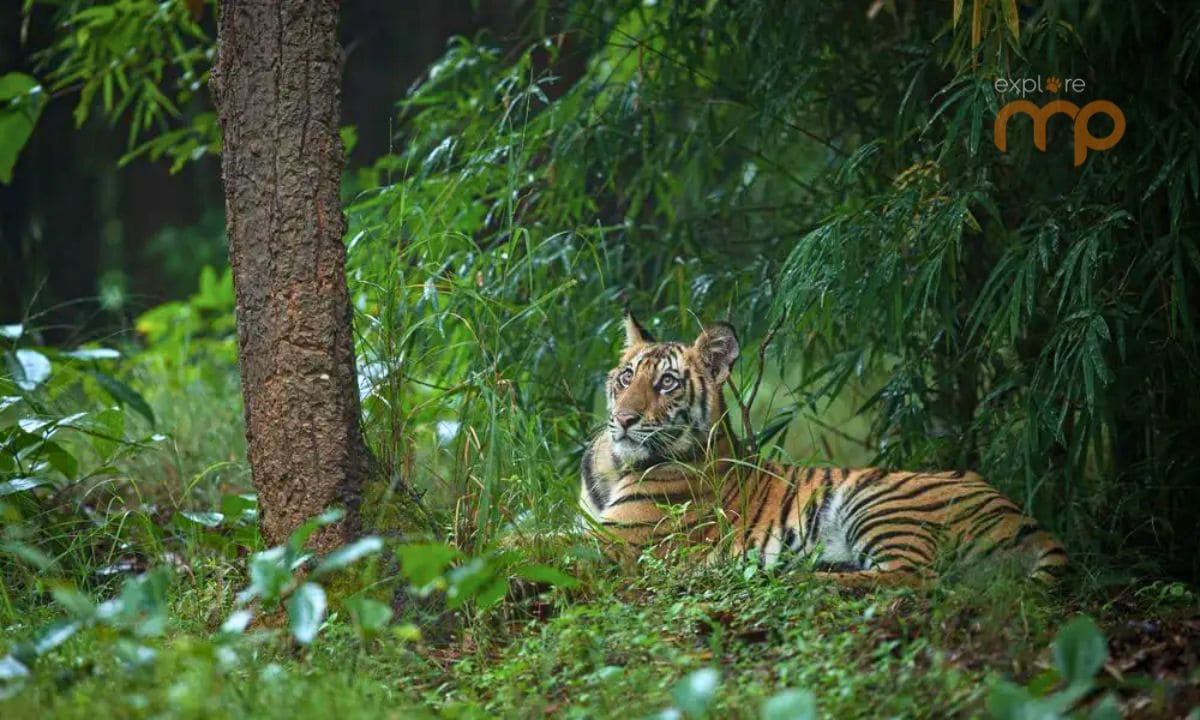
Tiger Safari in Kanha, Bandhavgarh & Pench: The Complete Guide
Best time to visit, zone-wise safari booking tips, and tiger-sighting odds across Madhya Pradesh's top three reserves, plus practical advice on permits, safari timing, and maximizing your chances.
Read Article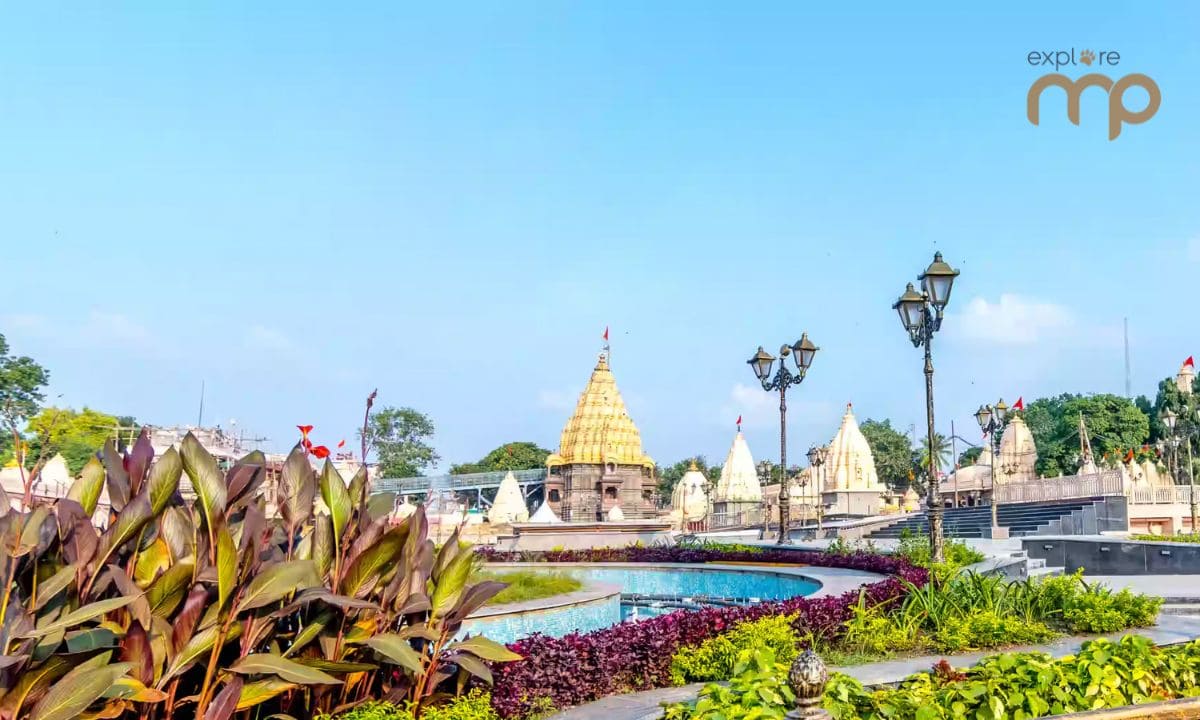
Madhya Pradesh Travel Guide: Best Places to Visit, Itineraries & Travel Tips
The four regional circuits - Bundelkhand, tiger reserves, Malwa and Central MP - and how to combine them into a single trip.
Read Article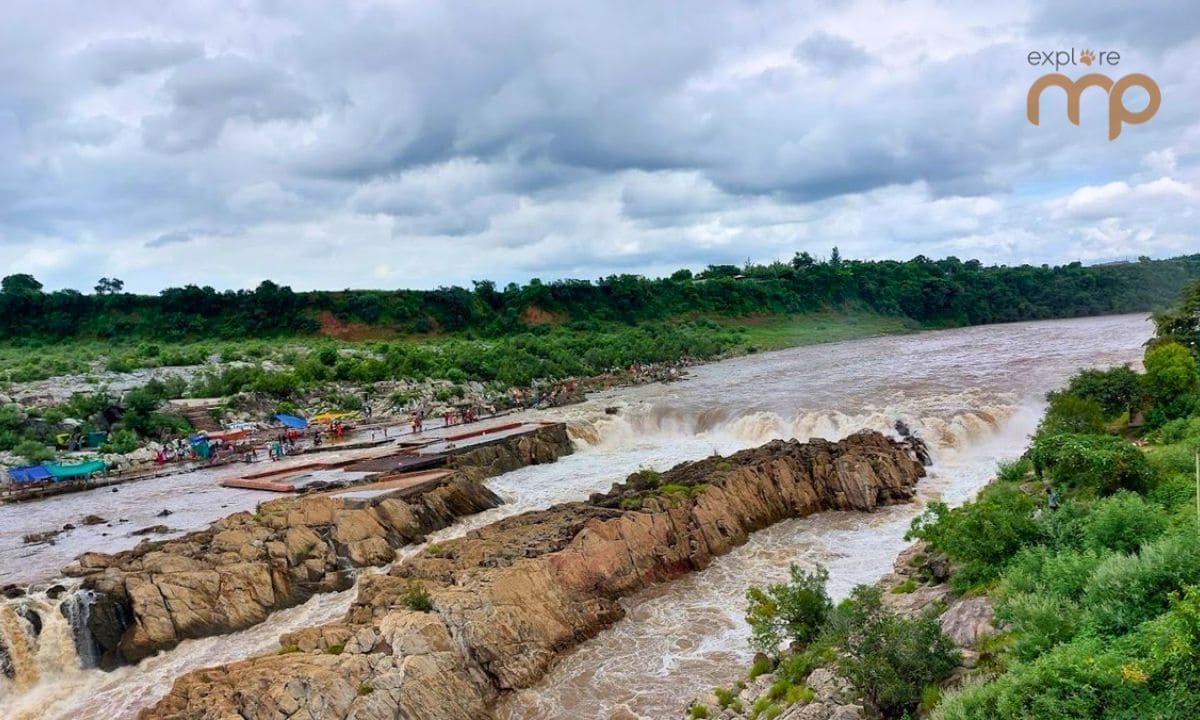
Best Places to Visit in Madhya Pradesh: 25 Must-See Destinations
25 destinations grouped by wildlife, heritage, pilgrimage, cities and offbeat stops - pick a theme and go deep.
Read Article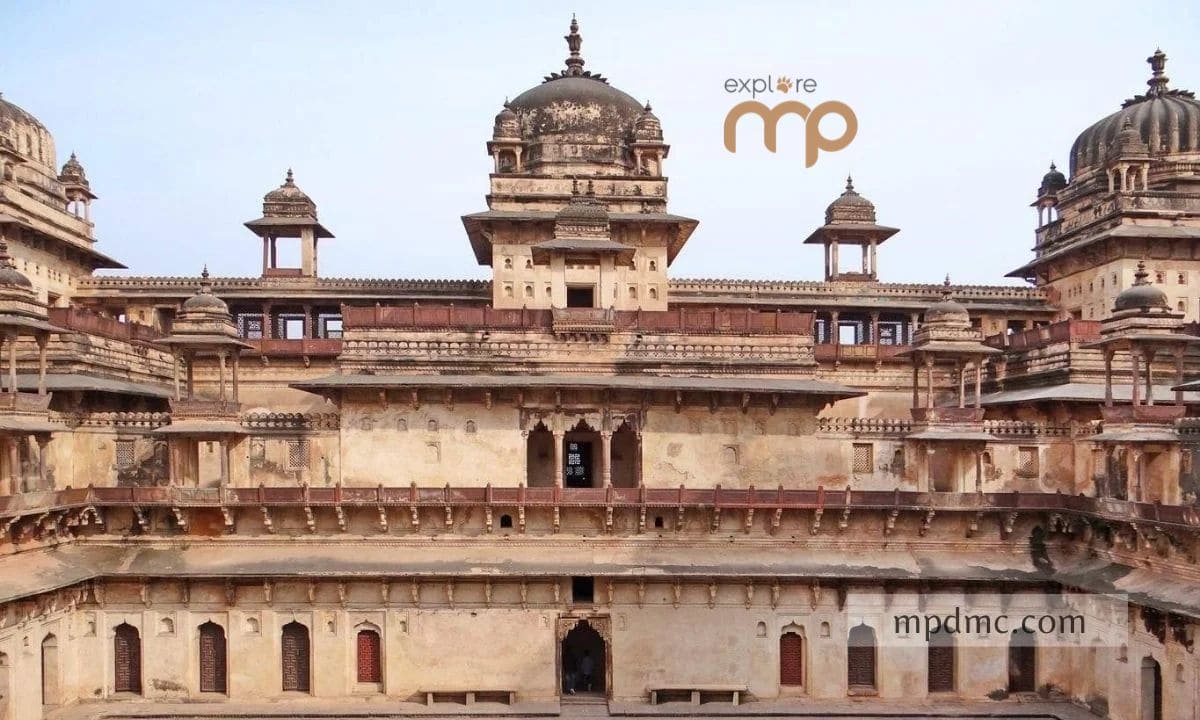
Madhya Pradesh Heritage Tour: Khajuraho, Orchha, Mandu & Gwalior
Four dynasties, four centuries - how to sequence a heritage circuit and what to look for at each stop.
Read Article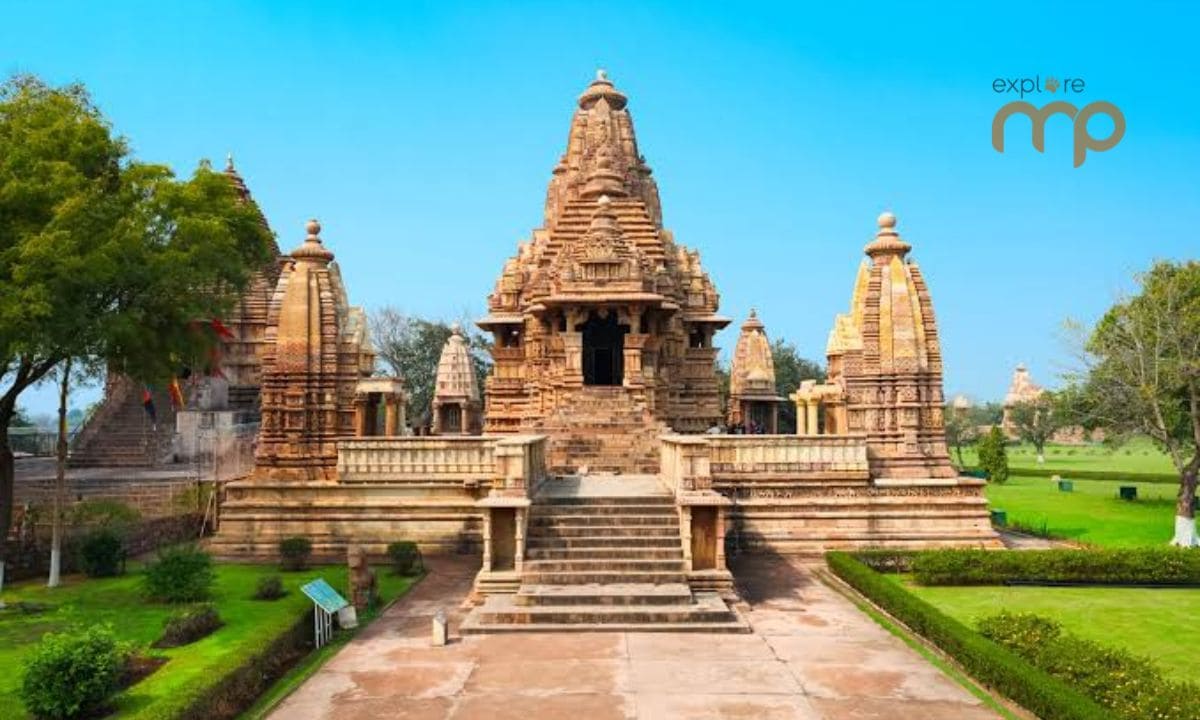
Khajuraho Temples: A First-Timer's Guide to India's UNESCO Heritage Wonder
Western, Eastern and Southern groups explained, plus when to go for the best light and the smallest crowds.
Read Article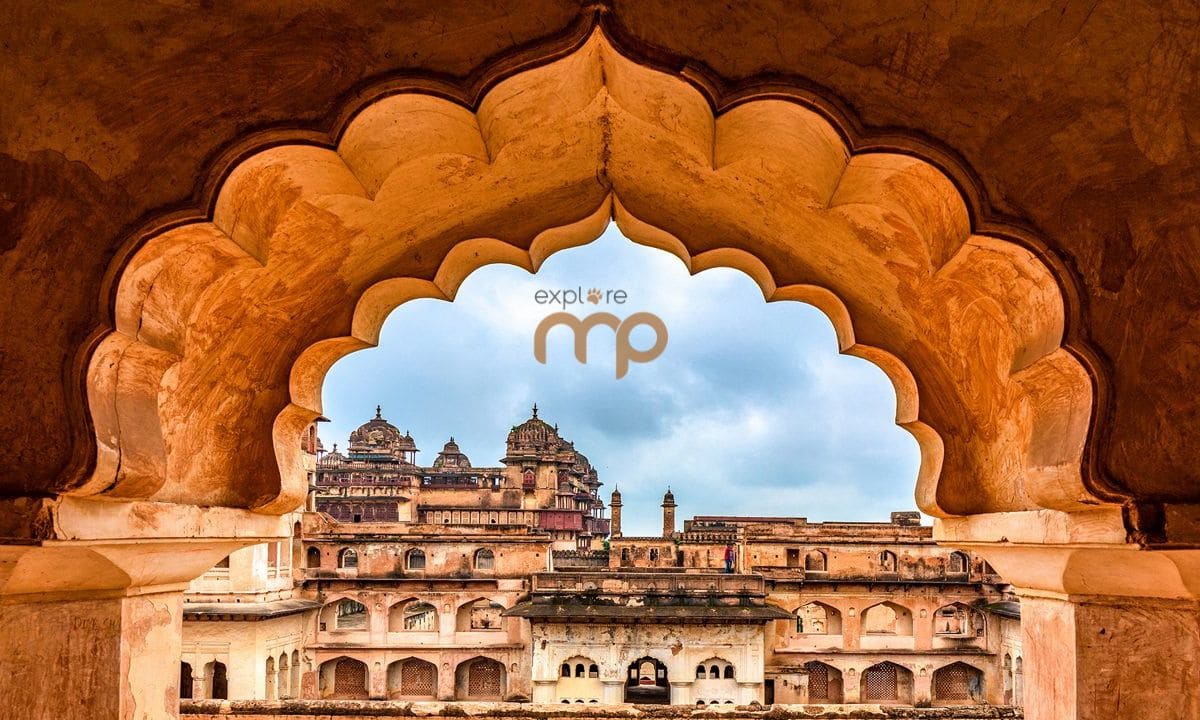
Orchha Travel Guide: Explore Madhya Pradesh's Historic Temples & Palaces
A working town built inside a heritage site - the palace complex, the Ram Raja Temple, and the riverside chhatris.
Read Article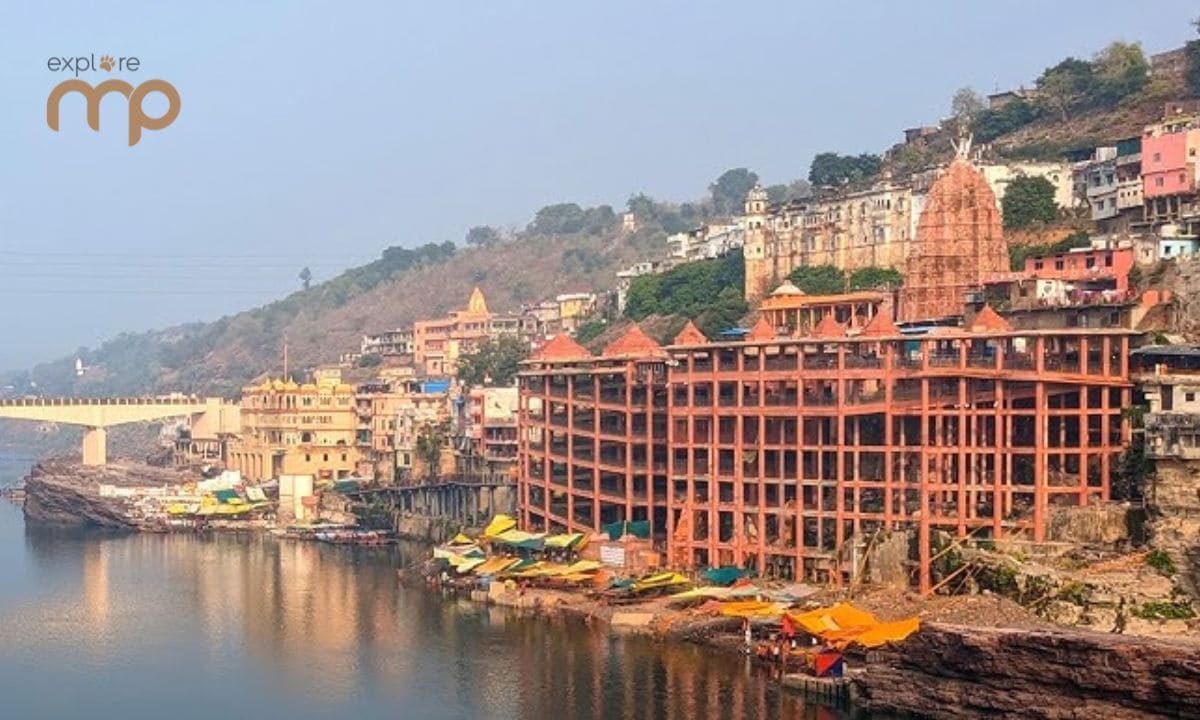
Ujjain & Omkareshwar Jyotirlinga Yatra: A Complete Pilgrimage Guide
Two of the twelve Jyotirlingas, an island temple on the Narmada, and how to plan the darshan timings around both.
Read Article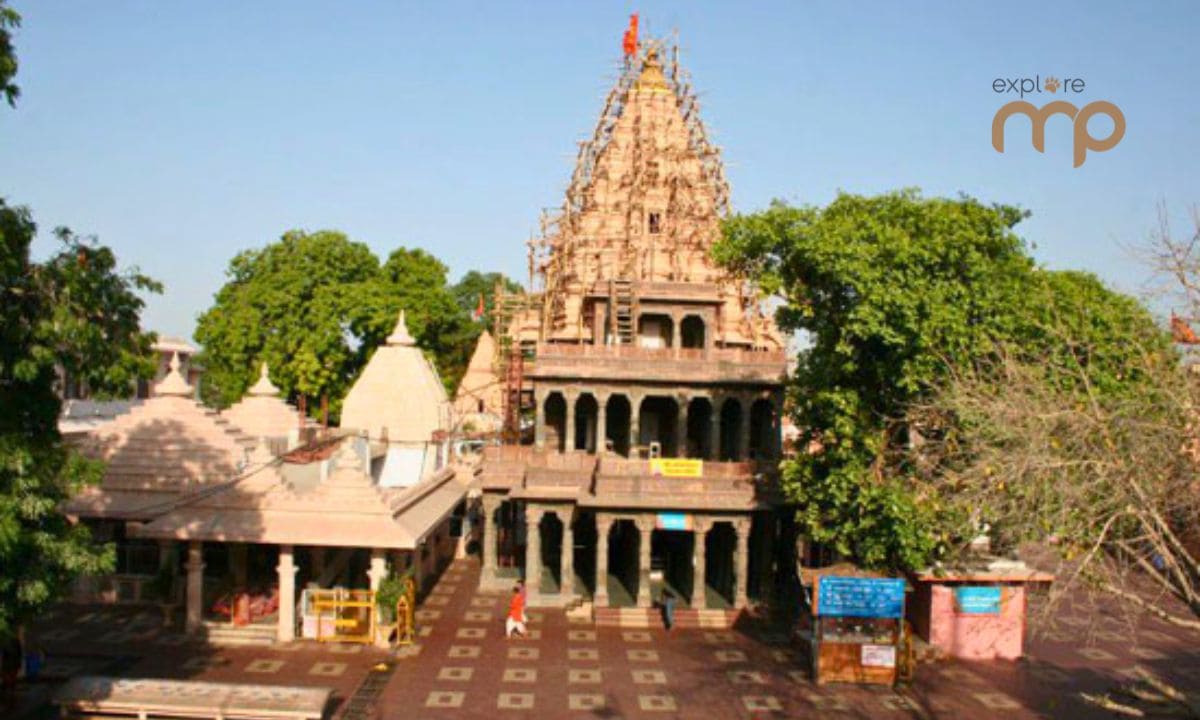
Mahakaleshwar Jyotirlinga: Darshan & Bhasma Aarti Guide
How the pre-dawn Bhasma Aarti booking works, what to expect at darshan, and how to plan around the queues.
Read Article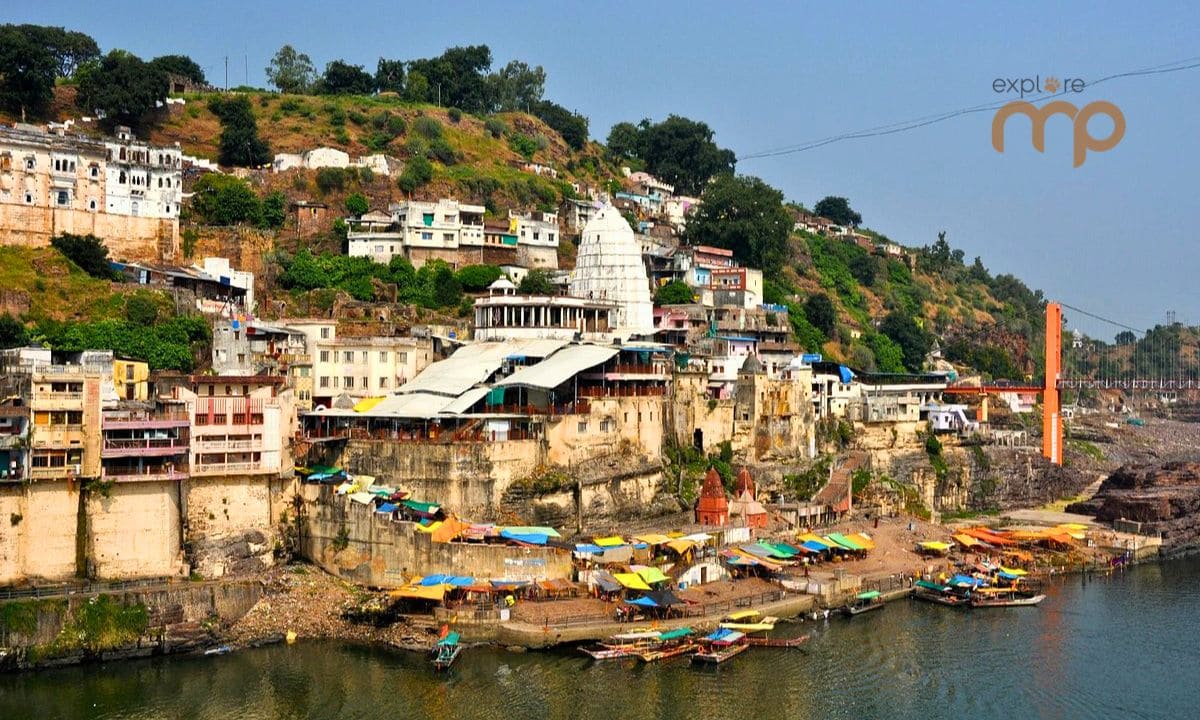
Bhopal Travel Guide: Best Places to Visit, Food, Lakes & Things to Do
The Upper and Lower Lakes, old city vs new city, what to eat, and day trips to Sanchi and Bhimbetka.
Read ArticleView all blog articles for more in-depth guides on Madhya Pradesh's wildlife reserves, heritage circuits, pilgrimage trails and city highlights, written to help you plan with confidence.